
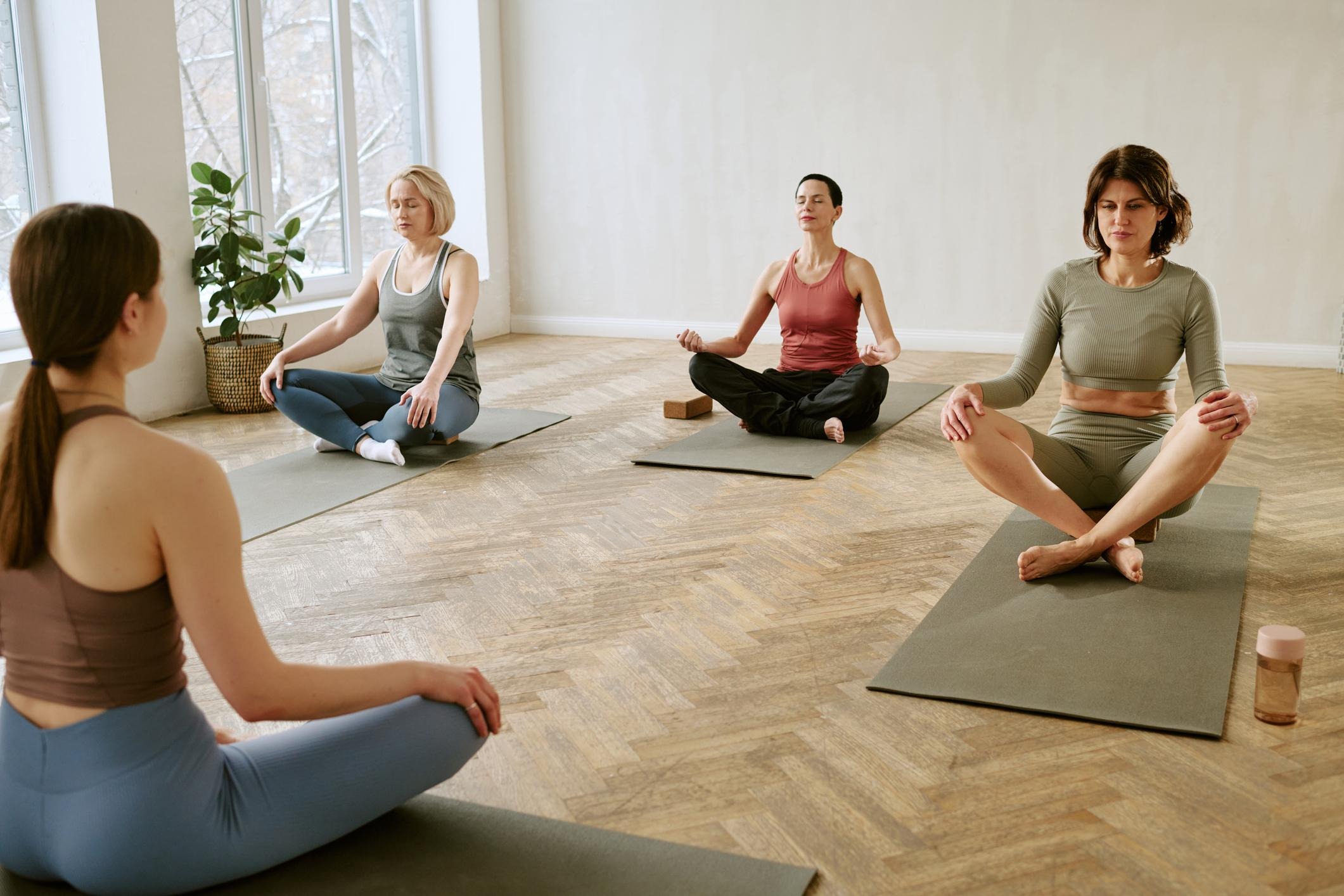
Women’s Mindfulness Groups give you a structured, supportive space to breathe, reset, and feel less alone in your body, your stress, and your season of life. If you already love yoga, fitness, or wellness, this kind of circle can help you go beyond movement and build steadier inner resilience.
This guide explains what these groups are, how they work, what happens inside a session, and how to choose the right one for your needs. You’ll also see how One Yoga International supports women through mindful practice, yoga, breathwork, and community-centered programs.
What Makes a Women-Centered Mindfulness Group Different From a Regular Class?
A women-centered mindfulness group combines guided awareness practices with emotional support, shared reflection, and a safer space for women’s lived experiences.
Unlike a standard yoga or meditation class, the focus goes beyond technique. You still practice breathing, meditation, grounding, and body awareness, but you also connect those tools to real issues like stress, hormones, confidence, grief, relationships, aging, burnout, and body image.
A strong group often includes:
- Guided meditation or breath awareness
- Gentle movement or yoga-based grounding
- Journaling prompts
- Group reflection, when appropriate
- Themes around women’s health, self-trust, transitions, and emotional balance
- Practical tools you can use between sessions
Here’s the key difference: a regular class may help you feel better for an hour, while a mindful women’s circle helps you build skills you can return to during hard weeks.
Read more about: mindfulness for women
Why Are Active Women Looking for Mindful Community Right Now?
Active women are seeking mindful community because physical fitness alone does not always address stress, emotional fatigue, or nervous system overload.
You may train hard, eat well, stretch, and still feel tense, scattered, or disconnected from yourself. That does not mean you are doing wellness wrong. It means your body may need recovery that includes the mind, breath, and emotional world.
Interest in meditation keeps growing. The National Center for Complementary and Integrative Health reports that 17.3% of U.S. adults used meditation in 2022, up sharply from earlier national surveys NCCIH. At the same time, the American Psychological Association reported that women rated their average stress at 5.3 out of 10, compared with 4.8 for men APA.
If you have ever thought, “I should be able to handle this,” you deserve a gentler frame. The real question is not whether you are strong enough. The better question is whether your current support system gives your nervous system enough room to recover.
That is where One Yoga International can help. Through mindful classes, women-focused circles, and supportive yoga education, the brand creates space for women who want depth, not just another workout.
What Actually Happens Inside a Mindfulness Circle for Women?
A women’s mindfulness circle usually follows a calm sequence: arrive, breathe, reflect, share, integrate, and leave with one practical next step.
You do not need to be flexible, spiritual, or “good” at meditation. A professional facilitator should guide the process clearly so you know what to do and how to participate at your own comfort level.
1. Arrival and Grounding
Most sessions begin with a few quiet minutes to settle your body. You may sit on a mat, cushion, or chair while the facilitator guides you into slower breathing.
This first step helps your body shift from rushing into receiving. For fitness-minded women, it can feel like the emotional version of warming up before a workout.
2. Breathwork or Guided Meditation
The facilitator may lead simple breathing, body scanning, mantra, visualization, or awareness of sensations. These practices help you notice what is happening inside without judging it.
If you enjoy yoga, this may feel familiar. If meditation feels new, the facilitator should keep the instructions simple and accessible.
3. Theme-Based Reflection
Many groups explore a theme such as self-compassion, boundaries, stress, transitions, confidence, or rest. You might journal on a prompt before anyone shares aloud.
This gives you privacy before community. You can process your own thoughts before deciding what, if anything, you want to say.
4. Optional Sharing
Healthy groups do not force sharing. Instead, they invite honest reflection while honoring personal boundaries.
You might hear another woman describe something you thought only you felt. That moment can soften shame and create connection.
5. Integration for Daily Life
The session should end with one simple practice you can use later. This may include three conscious breaths before a meeting, a grounding hand-on-heart pause, or a short evening journal prompt.
The goal is not to escape your life. The goal is to meet it with more steadiness.
If you want a supportive place to begin, One Yoga International offers women-centered mindfulness options designed for real life, real bodies, and real schedules. You can explore the circle before committing to a deeper practice.
Which Group Format Fits Your Yoga, Fitness, and Wellness Routine Best?
The best format depends on your schedule, comfort level, goals, and how much personal connection you want.
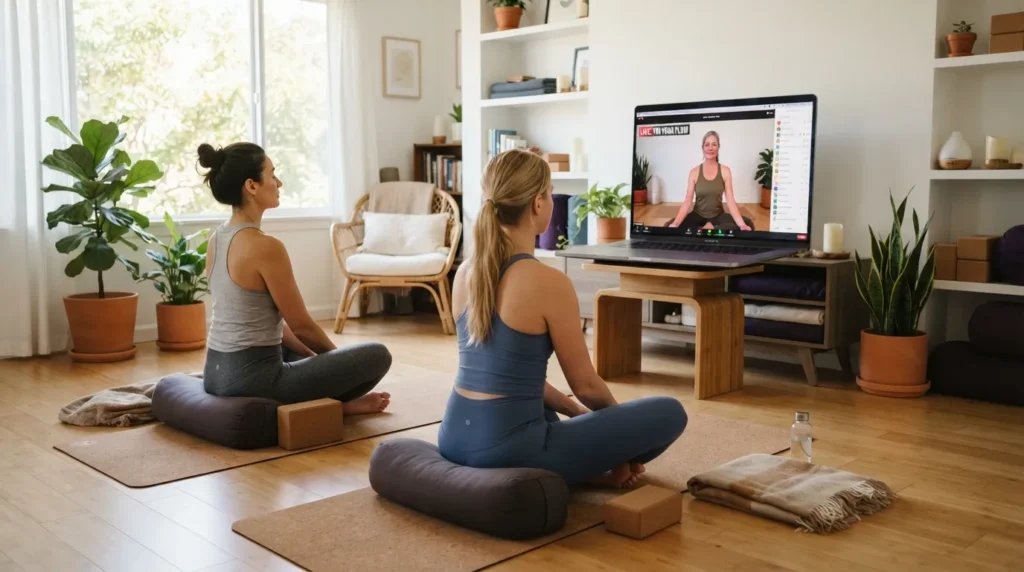
Some women want a consistent weekly online circle. Others want an in-person retreat, private guidance, or a course they can complete quietly at home. None of these options is “better” for everyone.
| Format | Best For | What You Can Expect | Good Fit If You… |
|---|---|---|---|
| Online women’s circle | Busy professionals, moms, frequent travelers | Live guided practice and discussion from home | Want community without commuting |
| In-person mindfulness group | Women who value face-to-face connection | Shared space, deeper group energy, local support | Feel restored by being in the room |
| Yoga + mindfulness class | Fitness and yoga lovers | Movement, breath, meditation, and nervous system reset | Want mindfulness in your body, not only your mind |
| Short beginner course | New meditators | Step-by-step lessons and simple daily practices | Prefer structure before joining a group |
| Retreat-style experience | Women craving a deeper reset | Immersive practice, rest, reflection, and community | Need distance from daily demands |
The real question is not whether online or in-person is more legitimate. The real question is which format you will actually return to when life gets busy.
One Yoga International offers several entry points, from live yoga classes to retreat experiences and structured mindfulness support. That flexibility matters because your practice should fit your life, not add more pressure to it.
Check out: community support through mindfulness and yoga
How Can Mindfulness Support Hormones, Recovery, and Emotional Resilience?
Mindfulness supports women’s wellness by helping regulate stress responses, improve body awareness, and create healthier recovery habits.
For women who practice yoga, lift weights, run, dance, or move often, mindfulness can become the missing recovery layer. Your muscles need rest, but your nervous system needs it too.
Mindful practice may support:
- Better sleep routines
- Less emotional reactivity
- More awareness of hunger, fatigue, and tension
- Greater self-compassion during body changes
- More patience during injury recovery
- A steadier relationship with exercise and food
Women also move through physical seasons that deserve care. Perimenopause, menopause, postpartum changes, grief, divorce, and high-stress work years can all change how your body responds to exercise and rest.
If you are navigating hormonal shifts, One Yoga International’s resources on yoga for menopause can help you pair movement with nervous system support.
If you keep pushing through exhaustion because rest feels unproductive, pause here. The cost of waiting often shows up as irritability, poor sleep, tight shoulders, shallow breathing, and workouts that stop feeling joyful. A short guided practice can help you interrupt that cycle before your body forces you to stop.
How Do You Choose a Group That Feels Safe, Skilled, and Worth Your Time?
Choose a group by looking for trained facilitation, clear boundaries, accessible practices, and a community culture that respects your pace.
A good group should feel welcoming, but not vague. You want warmth and professionalism together, especially when reflection, emotions, and personal stories enter the room.
Before you join, look for:
1. A Clear Purpose
The group should explain who it serves and what kind of experience it offers. A women’s mindfulness circle for stress support will feel different from a trauma-focused group, yoga workshop, or spiritual study circle.
Clear purpose protects your expectations. It also helps you avoid joining a space that does not match your needs.
2. Professional Facilitation
The facilitator should guide the session with confidence and care. They do not need to have every answer, but they should know how to hold time, invite participation, and maintain boundaries.
If a group gets too loose, it can become emotionally draining instead of supportive.
3. Respect for Choice
You should never feel pressured to share personal details. Mindfulness grows best when you feel safe enough to participate honestly.
Look for language like “optional sharing,” “listen to your body,” and “take what serves you.”
4. Practices You Can Use Outside the Session
A meaningful group gives you tools, not just a calming experience. You should leave with a breath pattern, reflection question, or grounding practice that helps you during your week.
For example, breathwork classes can deepen your ability to regulate stress between group meetings.
5. Alignment With Your Values
Some groups feel spiritual, some feel therapeutic, and others feel practical and body-based. Choose the one that matches your comfort level.
If you are cautious about opening up in a group, that makes sense. One Yoga International offers a grounded, yoga-informed environment where you can enter at your own pace instead of feeling pushed into vulnerability before you are ready.
Are Women’s Mindfulness Groups Right for Beginners?
Yes, Women’s Mindfulness Groups can be ideal for beginners because they offer guidance, structure, and shared encouragement.
You do not need years of yoga experience. You do not need to sit perfectly still. You do not even need to know what you are feeling before you arrive.
These groups often help beginners because they make mindfulness less abstract. Instead of sitting alone wondering if you are “doing it right,” you receive clear prompts and see how other women approach the same practice.
You may be a strong athlete, a dedicated yogi, or someone returning to movement after a hard season. Mindfulness meets you where you are. One Yoga International’s approach works well for women who want professional guidance without losing the warmth of community.
Learn more about: women’s wellness retreat experiences
Ready to Join a Women-Centered Mindfulness Practice?
If you want more than another class on your calendar, One Yoga International can help you build a practice that supports your body, mind, and emotional well-being. You can start with a women’s circle, a beginner mindfulness course, live classes, or a conversation about the best next step.
Women’s Mindfulness Groups are not about fixing you. They are about helping you hear yourself more clearly and feel supported while you grow.
Frequently Asked Questions
1. What are Women’s Mindfulness Groups?
A. They are guided spaces where women practice meditation, breathwork, reflection, and supportive community. Sessions often focus on stress, self-awareness, emotional balance, and women’s life experiences.
2. Do I need yoga experience to join?
A. No. Many groups welcome complete beginners, and One Yoga International offers accessible mindfulness and yoga-based support for different experience levels.
3. Are mindfulness groups the same as therapy?
A. No. A mindfulness group can support emotional wellness, but it does not replace therapy or medical care. If you need mental health treatment, work with a licensed professional alongside your mindfulness practice.
4. What should I bring to a women’s mindfulness session?
A. Bring comfortable clothing, water, a journal, and an open mind. If the group includes gentle movement, a yoga mat can help, but many practices can happen in a chair.
5. How often should I attend a group?
A. Weekly attendance works well for many women because it builds rhythm and accountability. If your schedule feels full, start with a short course or one monthly circle and grow from there.