

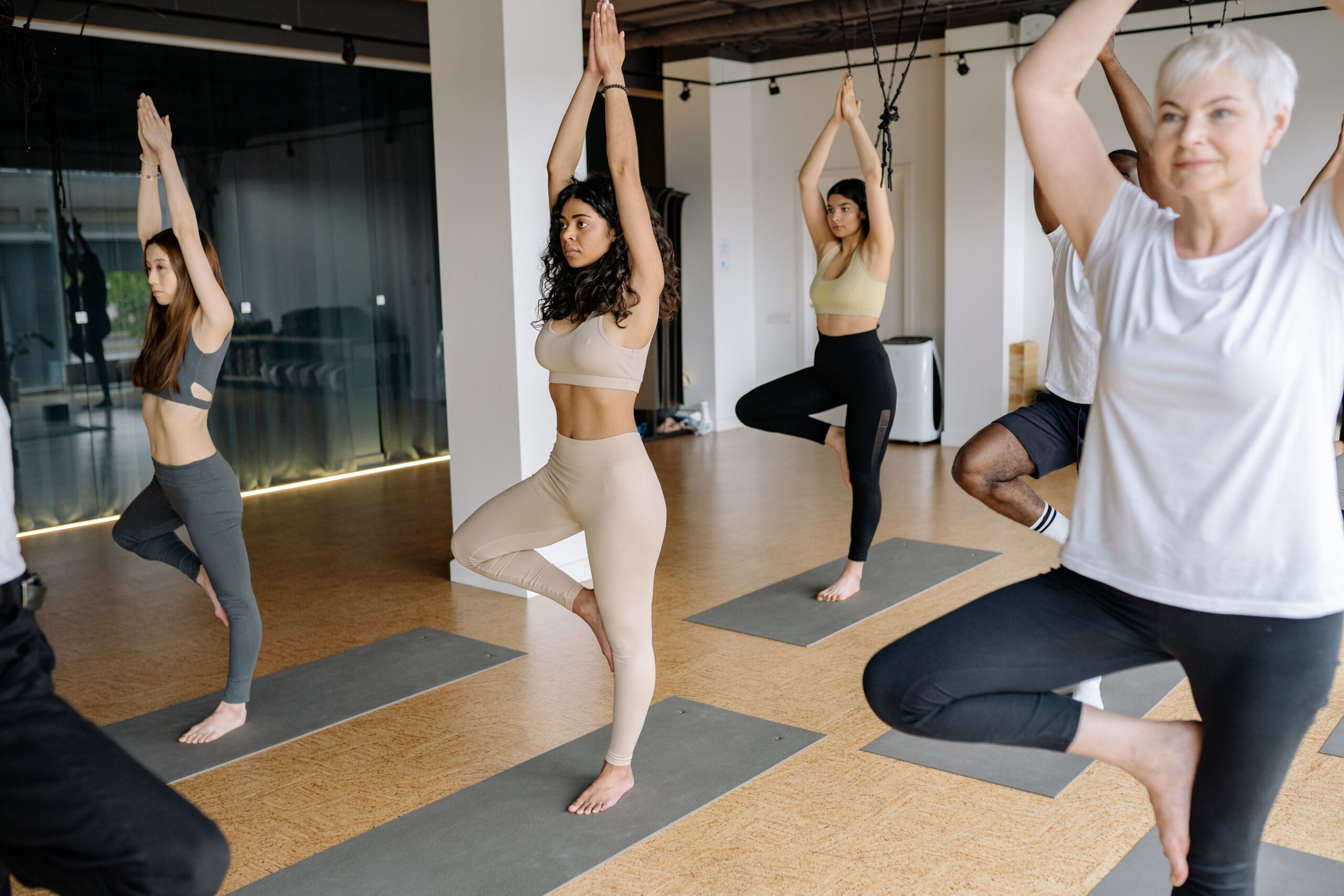
If you searched for Corporate Wellness Programs, you’re probably looking for practical ways to help your team feel healthier, calmer, and more connected at work. The challenge is choosing wellness ideas that people actually use, not programs that sound good in a quarterly HR deck.
This guide covers 17 workplace wellness programs and ideas you can use to strengthen company culture, especially through corporate yoga, mindfulness, breathwork, and realistic employee wellbeing habits. You’ll also see how One Yoga International can support your team with guided wellness experiences that fit real corporate schedules.
Why do wellness programs strengthen culture instead of just checking an HR box?
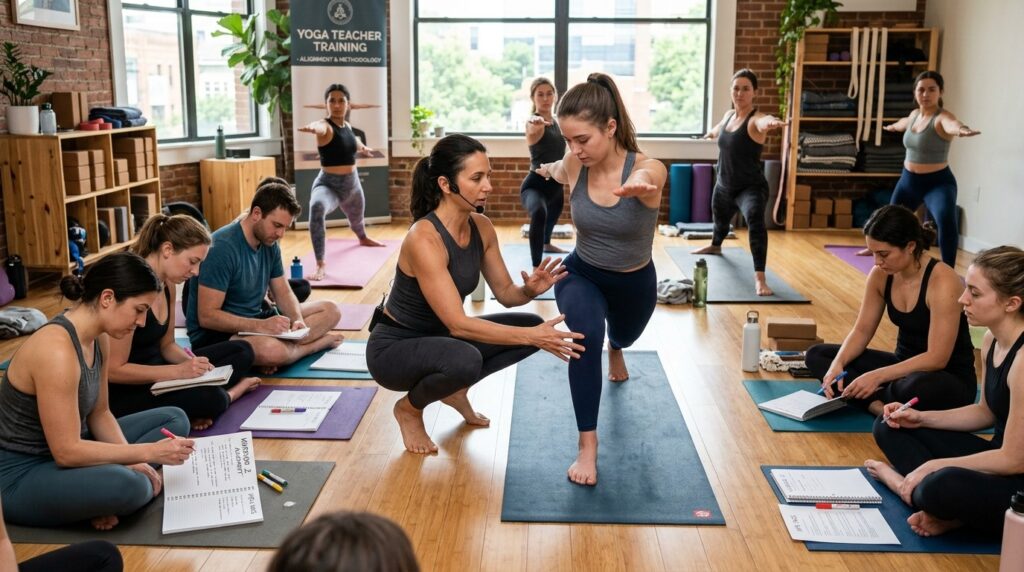
Wellness programs strengthen culture because they show your employees that their energy, stress levels, and long-term health matter. When people feel supported as humans, they often show up with more trust, focus, and willingness to collaborate.
Culture doesn’t only form during all-hands meetings or annual retreats. It forms in the small daily signals your company sends: “Take a breath,” “Move your body,” “You don’t have to burn out to belong here.”
The data supports this. The American Psychological Association found that 92% of workers say it matters to work for an organization that values emotional and psychological wellbeing American Psychological Association. Gallup also reports that highly engaged teams see 78% lower absenteeism and 23% higher profitability Gallup.
Here’s the thing: the real question isn’t whether wellness is “nice to have.” It’s whether your culture can afford the hidden cost of stress, disengagement, and low morale.
Read more about: how yoga helps mental health in the United States
What should a strong workplace wellness program actually include?
A strong workplace wellness program should include movement, stress reduction, education, connection, and simple habits employees can repeat. A workplace wellness program is a structured set of activities that helps employees improve physical, mental, and emotional wellbeing.
You don’t need a huge gym, expensive equipment, or a perfect participation rate. You need consistent options that fit different bodies, schedules, and comfort levels.
A balanced wellness program usually includes:
- Movement: yoga, stretching, walking meetings, mobility breaks
- Mindfulness: meditation, breathwork, emotional regulation tools
- Nutrition support: practical education, healthy snack guidance, hydration habits
- Connection: team challenges, wellness circles, shared classes
- Recovery: rest education, nervous system support, burnout prevention
- Access: virtual sessions, on-demand resources, inclusive class levels
If you’ve ever worried that your team is “too busy” for wellness, you’re not alone. But the real question isn’t whether employees have 60 extra minutes. It’s whether they have 5 to 15 minutes to reset before stress turns into mistakes, sick days, or turnover.
That’s where One Yoga International can help. The brand’s corporate wellness approach gives your team guided practices that feel approachable, professional, and easy to integrate into the workday.
Check out: One Yoga International’s corporate wellness programs
Which 17 wellness ideas work best for busy corporate teams?
The best wellness ideas for busy teams are simple, repeatable, inclusive, and easy to join without pressure. Your program should support employees who love fitness and employees who feel nervous about stepping onto a yoga mat.
Use this table to compare 17 practical options your company can start testing.
| Wellness Program or Idea | Best For | How It Builds Culture |
|---|---|---|
| 1. Weekly corporate yoga classes | Stress, posture, team reset | Creates a shared ritual employees can look forward to |
| 2. Desk stretch breaks | Office stiffness, screen fatigue | Normalizes movement during the workday |
| 3. Guided breathwork sessions | Anxiety, meeting overload | Gives teams a quick tool to regulate stress |
| 4. Mindfulness meditation circles | Focus, emotional balance | Encourages calm communication and self-awareness |
| 5. Walking meetings | Creative thinking, light movement | Makes collaboration feel less formal and more human |
| 6. Lunch-and-learn wellness talks | Education, habit building | Turns wellbeing into a shared learning experience |
| 7. Healthy hydration challenge | Energy, fatigue | Builds friendly accountability without intensity |
| 8. Beginner yoga workshops | Newcomers, low-confidence employees | Removes fear and makes movement feel accessible |
| 9. Mental health awareness sessions | Burnout prevention | Opens safe, respectful conversations about stress |
| 10. Digital detox blocks | Deep work, screen relief | Protects attention and reduces always-on pressure |
| 11. Posture and mobility clinics | Desk workers, remote teams | Helps employees prevent daily aches |
| 12. Team step challenges | Light fitness, motivation | Adds playful competition without requiring a gym |
| 13. Restorative yoga sessions | Exhaustion, nervous system support | Teaches recovery as a performance skill |
| 14. Women’s mindfulness groups | Support, belonging | Creates community around shared life and work experiences |
| 15. On-demand yoga library access | Remote and hybrid teams | Lets employees practice on their own schedule |
| 16. Wellness retreat days | Leadership reset, team bonding | Deepens connection away from daily work pressure |
| 17. Private small-group yoga sessions | Executives, departments, special teams | Gives teams tailored support for their goals |
Not every company needs all 17 ideas. Start with two or three, listen to employee feedback, and build from there.
If your employees feel hesitant about yoga, reassure them that corporate yoga does not require flexibility, fancy clothes, or advanced poses. A good instructor meets people where they are.
Ready to make wellness easier for your team to say yes to? One Yoga International can help you choose a corporate yoga or mindfulness format that fits your culture, schedule, and employee comfort level.
Explore Corporate Wellness Options
How can corporate yoga turn wellness into a shared company ritual?

Corporate yoga turns wellness into a shared ritual by giving employees a consistent space to breathe, move, and reset together. Instead of another one-time perk, yoga becomes a rhythm your team can count on.
Corporate teams often carry stress in the same places: tight shoulders, shallow breathing, lower back tension, and mental fatigue. Yoga helps address those patterns through movement, breath, and focused attention.
1. Start with beginner-friendly classes
Beginner-friendly yoga helps employees feel safe from the first session. The instructor should offer simple poses, chair options, and clear permission to rest.
This matters because one intimidating class can stop participation before it starts. One Yoga International’s classes and wellness resources focus on accessible, supportive instruction for real bodies and real workdays.
2. Add breathwork before high-stress moments
Breathwork works well before sales calls, leadership meetings, quarterly planning, or customer-facing shifts. A 5-minute guided breathing practice can help employees settle their nervous system before important work.
Learn more about: breathwork classes near you and online
3. Use restorative practices during intense seasons
Restorative yoga can support your team during tax season, product launches, budget planning, holiday rushes, or long project deadlines. It helps employees shift out of constant urgency.
If your company only celebrates pushing harder, people eventually stop feeling safe enough to recover. Wellness rituals remind your team that rest supports strong performance.
How do you launch a wellness program without making it feel forced?
You launch a wellness program without making it feel forced by offering choice, explaining the purpose, and inviting feedback early. Employees should feel welcomed, not watched.
A wellness program can backfire when people feel judged for not joining. The goal is support, not surveillance.
1. Ask employees what they actually want
Send a short survey before you choose your first program. Ask about preferred times, topics, class length, virtual options, and comfort level.
Keep the survey simple. Five questions can tell you more than a leadership brainstorm.
2. Start with a pilot program
A 4- to 6-week pilot gives your company a low-risk way to test interest. You might try weekly yoga, a breathwork series, or a mindfulness lunch break.
This approach helps you avoid overbuilding before you know what your team values.
3. Make participation flexible
Offer live sessions, recordings, and small-group options when possible. Hybrid teams need flexible access, especially across time zones.
Check out: live yoga classes from One Yoga International
4. Get managers involved the right way
Managers should model participation without pressuring anyone. A simple “I’m joining the stretch break if anyone wants to come” feels better than tracking attendance.
If leaders treat wellness as normal, employees feel less awkward joining in.
What mistakes make wellness programs feel performative?
Wellness programs feel performative when companies offer surface-level perks while ignoring workload, stress, and employee feedback. A yoga class cannot fix a culture that rewards burnout every week.
That doesn’t mean yoga, meditation, or wellness challenges lack value. It means they work best when your company also respects boundaries, recovery, and realistic expectations.
Common mistakes include:
- Launching a program without asking employees what they need
- Offering only intense fitness options that exclude beginners
- Scheduling sessions during lunch without protecting break time
- Treating wellness as a replacement for better management practices
- Measuring success only by attendance
- Forgetting remote, hybrid, or caregiving employees
- Choosing instructors who lack corporate wellness experience
If you’ve tried wellness before and participation dropped, your team may not have rejected wellbeing. They may have rejected the format.
The real question isn’t “Why won’t employees join?” It’s “What would make wellness feel safe, useful, and worth their time?” One Yoga International helps answer that question with practices designed around accessibility, mindfulness, and real-life stress.
Waiting has a cost. Stress does not stay neatly inside one employee’s inbox; it spreads through missed deadlines, tense meetings, and low energy. A guided wellness plan can help your team reset before burnout becomes the culture.
Book a Wellness Conversation
How should you measure whether your wellness program is working?
You should measure wellness success through participation, employee feedback, stress indicators, and culture signals. Attendance matters, but it should never serve as your only metric.
Look for both numbers and stories. A small group that consistently attends yoga and reports better focus may offer more value than a big launch with no follow-through.
Useful metrics include:
- Participation by department, location, or format
- Employee satisfaction survey scores
- Self-reported stress or energy levels
- Sick days and absenteeism trends
- Retention and engagement patterns
- Manager feedback on morale and focus
- Requests for more sessions or different class types
You can also track qualitative comments. For example, employees may say they feel less tense after breathwork, more connected after group yoga, or more supported during high-pressure seasons.
Learn more about: 5 ways meditation makes us better at yoga
Where does One Yoga International fit into your culture strategy?
One Yoga International fits into your culture strategy by offering yoga, mindfulness, breathwork, and wellness support that helps teams slow down without losing momentum. The brand gives your employees tools they can use during the workday and beyond it.
This matters because company culture needs repeated care. A single wellness day can inspire people, but ongoing classes and guided practices help those benefits last.
One Yoga International can support:
- Corporate yoga sessions
- Guided meditation and mindfulness practices
- Breathwork experiences
- Wellness workshops
- Online yoga access for remote teams
- Retreat-style wellness support
- Beginner-friendly movement education
Before you decide your team “isn’t a yoga team,” pause for a moment. Your employees may not need advanced poses. They may need permission to breathe, stretch, release stress, and reconnect with themselves at work.
Read more about: mindfulness practices for everyday life
Ready to Build a Healthier Company Culture?
The right Corporate Wellness Programs can help your team feel more focused, connected, and supported without adding complexity to the workday. One Yoga International can help you bring corporate yoga, mindfulness, and breathwork into your workplace in a way that feels professional and approachable.
Start with one conversation, one pilot class, or one wellness series. Your culture gets stronger when your people have space to recover and reconnect.
Request a Corporate Yoga Plan
Frequently Asked Questions
1. What are Corporate Wellness Programs?
A. Corporate Wellness Programs are workplace initiatives that support employee physical, mental, and emotional wellbeing. They can include yoga, meditation, breathwork, nutrition education, fitness challenges, and stress management workshops.
2. How often should a company offer corporate yoga?
A. Many teams start with one weekly session or a 4- to 6-week pilot program. One Yoga International can help you choose a schedule that fits your team size, work rhythm, and wellness goals.
3. Do employees need yoga experience to join workplace yoga?
A. No. A strong corporate yoga class should welcome beginners, offer modifications, and avoid competitive language so employees feel comfortable participating.
4. What is the easiest wellness program to start with?
A. A short guided breathwork session, desk stretch break, or beginner yoga class is often the easiest place to start. These options require little equipment and work well for office, remote, and hybrid teams.
5. How do wellness programs improve company culture?
A. Wellness programs improve culture by creating shared moments of care, reducing stress, and showing employees that their wellbeing matters. Over time, that support can strengthen trust, morale, and team connection.