
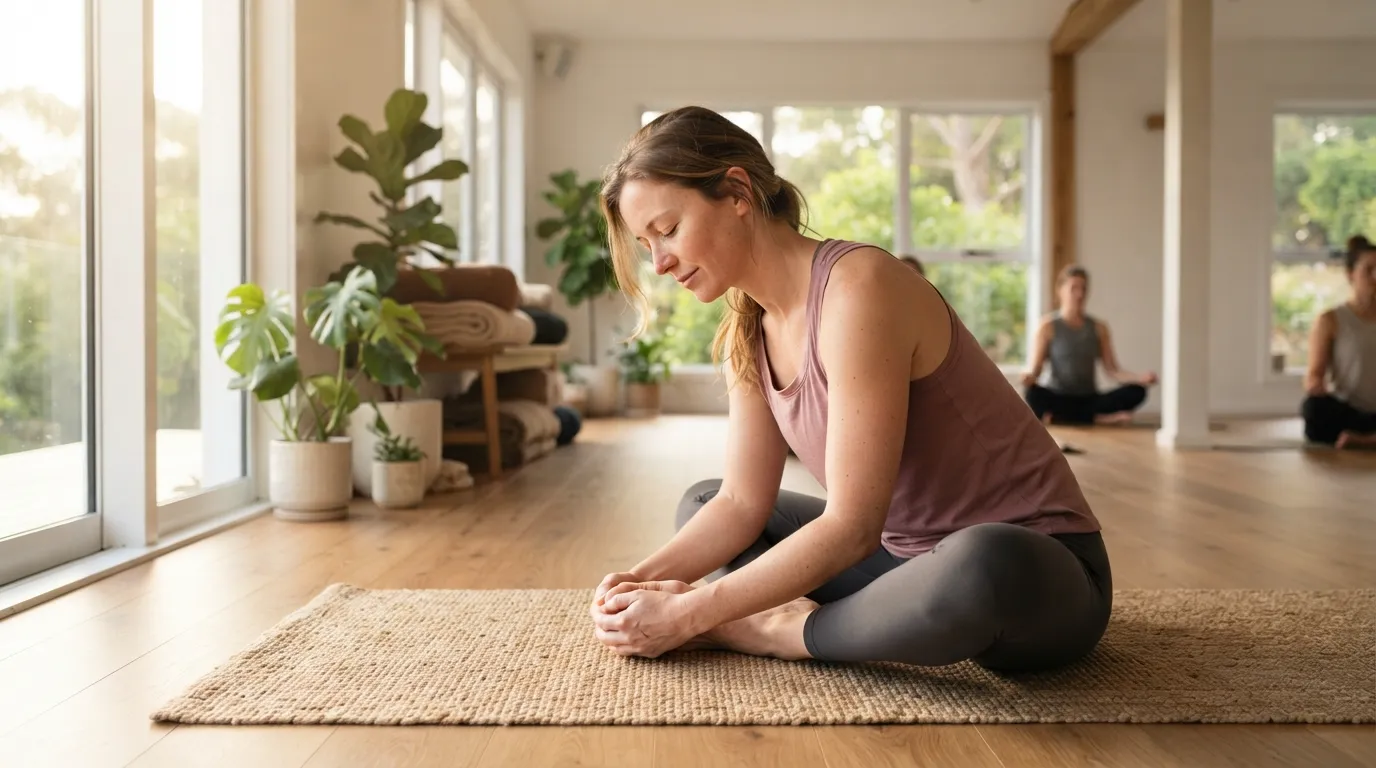
Yin Yoga is a slow and mindful practice that focuses on stillness instead of constant movement. Understanding yin yoga anatomy basics helps you practice safely while respecting your body’s natural limits.
Looking for a simple explanation? Yin Yoga gently targets connective tissues, fascia, joints, and ligaments through longer-held poses. This supports mobility, relaxation, and overall well-being.
At One Yoga International, we believe that learning how your body works creates a stronger and safer yoga practice. This guide explains everything in simple language for beginners and experienced practitioners alike.
What Is Yin Yoga Anatomy?
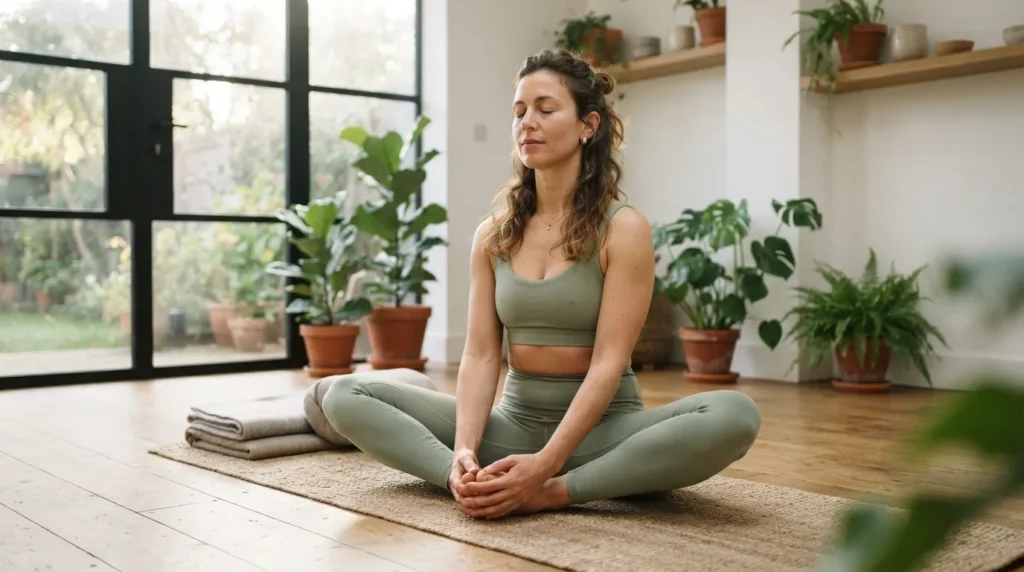
Yin Yoga anatomy focuses on how the body responds during long, passive stretches. Unlike active yoga styles that mainly strengthen muscles, Yin Yoga works with deeper tissues that need slow and gentle pressure. Learning this foundation helps you move more safely and comfortably.
Understanding the Difference Between Yin and Yang Yoga
Yang yoga styles involve flowing movements that activate muscles and raise body temperature. Yin Yoga is slower and encourages you to stay in one pose for several minutes. This longer hold allows deeper tissues to receive gentle stress, which supports flexibility and joint health over time.
Which Body Tissues Does Yin Yoga Target?
One of the most important parts of yin yoga anatomy for beginners is knowing which tissues are involved. Yin Yoga mainly affects fascia, ligaments, tendons, joint capsules, and connective tissues instead of large muscle groups. These tissues respond best to slow, consistent stretching rather than forceful movements.
Why Anatomy Matters in Yin Yoga Practice
Every person’s skeleton, joint shape, and flexibility are different. Understanding yin yoga anatomy explained helps you avoid comparing yourself with others. Instead of trying to copy another person’s pose, you learn to respect your body’s unique structure and practice safely.
The Basics of Yin Yoga Anatomy
Learning basic anatomy helps you understand why Yin Yoga requires patience rather than force. Small, consistent practice creates better long-term results.
Fascia and Connective Tissue
The yin yoga fascia anatomy approach focuses on fascia, which surrounds muscles and organs. Gentle stretching may help maintain healthy movement and flexibility.
Ligaments, Tendons, and Joints
The yin yoga connective tissue anatomy approach supports healthy joints by applying slow, controlled stress instead of aggressive stretching.
Bones and Joint Compression
Sometimes movement is limited by bone structure rather than muscle tightness. Respecting these natural limits helps prevent discomfort.
Individual Body Differences
Every body is unique. Different joint shapes and bone structures mean every pose will look different from person to person.
How Yin Yoga Works Inside the Body?
Yin Yoga creates gradual changes through regular practice. Progress comes from consistency instead of pushing harder.
Stress on Connective Tissue
Gentle pressure encourages connective tissues to stay healthy and mobile, contributing to the long-term benefits of yin yoga anatomy.
Improving Joint Mobility
Slow stretching supports natural joint movement and helps maintain comfortable mobility during everyday activities.
Increasing Flexibility Safely
Flexibility develops through patience and relaxation. Gentle stretching is more effective than forcing deeper positions.
Supporting the Nervous System
Long-held poses combined with slow breathing encourage relaxation and may help calm the nervous system.
Emotional Detox Through Yin Yoga
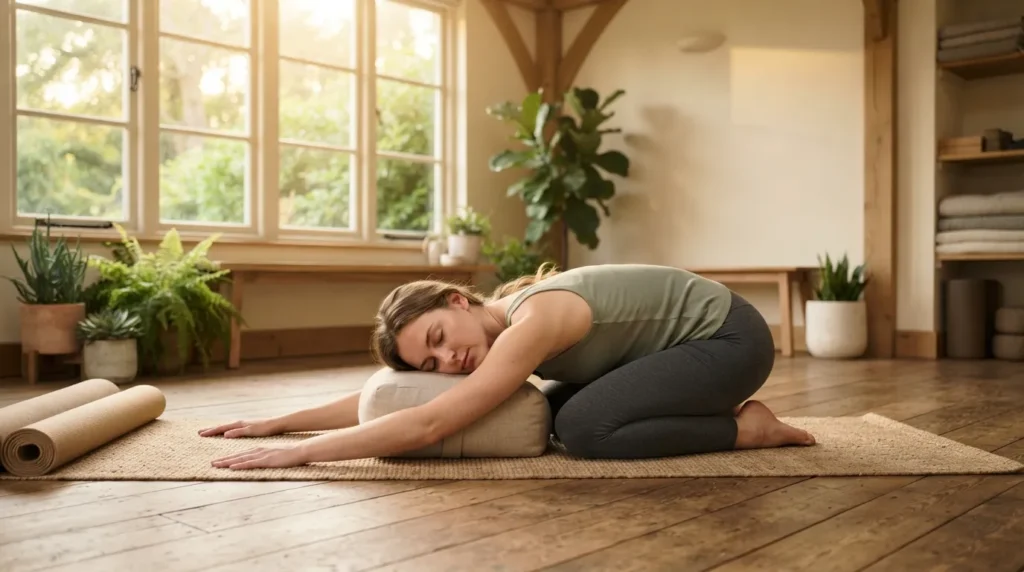
Many practitioners experience greater emotional awareness during Yin Yoga. Emotional detox through Yin Yoga refers to the calming effect that mindful movement and stillness can have on both body and mind.
Why Emotions Can Surface During Yin Yoga
As the body relaxes, thoughts and emotions may naturally come into awareness. This is a normal part of mindful practice for some people.
The Mind–Body Connection
Physical tension and emotional stress often influence one another. Yin Yoga encourages awareness of both without judgment.
What Emotional Release Feels Like
Some people feel relaxed, peaceful, or emotional after practice, while others simply notice a calmer state of mind. Every experience is personal.
Can Yin Yoga Release Emotional Trauma?
Many people ask, can yin yoga release emotional trauma? Yin Yoga may support emotional well-being, but it should not replace professional mental health care.
What Science Says
Research suggests mindful movement and breathing can reduce stress and support nervous system regulation, but Yin Yoga alone is not a proven trauma treatment.
Trauma-Informed Perspective
Practice should always feel safe. Using props, modifying poses, or taking breaks are all healthy choices during Yin Yoga.
When to Seek Professional Support
If difficult emotions become overwhelming, seek guidance from a qualified healthcare professional. Yin Yoga works best as part of a balanced wellness approach.
Read more: Best Yoga Teacher Training in the World
Yin Yoga Breathing for Emotional Healing
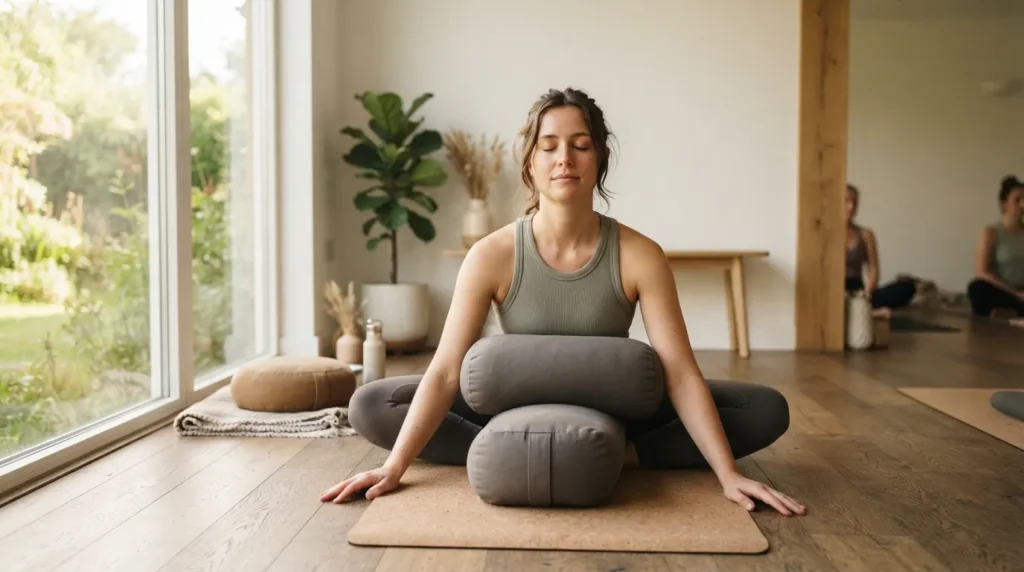
Breath is one of the most powerful tools in Yin Yoga. While the body stays still, the breath keeps flowing, helping you remain relaxed and present. Practicing yin yoga breathing for emotional healing does not require complicated techniques. Simple, steady breathing can support both physical comfort and emotional awareness during longer holds.
Why Breath Is Essential
Breathing slowly helps the body move from a state of tension toward relaxation. It also supports the nervous system by encouraging a calmer response to stress. When your breath remains steady, it becomes easier to stay comfortable in each pose without forcing your body.
Deep Belly Breathing
Deep belly breathing is one of the easiest beginner yin yoga breathing techniques. Place one hand on your abdomen and breathe in slowly through your nose, allowing your belly to rise naturally. Exhale gently and feel the body soften with every breath. This technique encourages relaxation and helps you stay connected to the present moment.
Box Breathing
Box breathing follows a simple rhythm. Inhale for four counts, hold for four counts, exhale for four counts, and pause again for four counts before repeating. This breathing pattern may help calm a busy mind and improve focus during your Yin Yoga practice.
Extended Exhale Breathing
With this method, breathe in comfortably and make your exhale slightly longer than your inhale. A longer exhalation encourages the body to release unnecessary tension and creates a feeling of ease while holding poses for several minutes.
Mindful Breathing During Long Holds
During longer Yin Yoga poses, avoid controlling every breath. Instead, observe your natural breathing pattern without judgment. If your breath becomes short or strained, ease out of the stretch slightly until you can breathe comfortably again. Gentle awareness is always more beneficial than pushing through discomfort.
Best Yin Yoga Poses for Emotional Release
Some Yin Yoga postures encourage stillness in areas where people commonly experience physical tension. While these poses cannot guarantee emotional release, they may help create a quiet space for mindfulness, relaxation, and self-awareness.
Butterfly Pose
Butterfly Pose gently stretches the hips, inner thighs, and lower back. Since many people carry tension around the hips, staying in this pose with relaxed breathing can encourage both physical ease and mental calm. Support your knees with cushions if needed.
Dragon Pose
Dragon Pose provides a deeper stretch for the hips and hip flexors. Move into the posture slowly and never force your body into discomfort. Using yoga blocks or blankets allows beginners to practice safely while respecting their individual flexibility.
Child’s Pose
Child’s Pose offers gentle support for the spine, hips, and shoulders. Many practitioners enjoy this posture because it creates a sense of comfort and security. It is also an excellent resting pose whenever you need a break during practice.
Sleeping Swan Pose
Sleeping Swan is a hip-opening posture that encourages patience rather than intensity. Depending on your body structure, you may use props under the hips for additional support. The goal is to find a position where you can breathe easily throughout the hold.
Sphinx Pose
Sphinx Pose creates a gentle backbend that opens the front of the body while strengthening awareness of the spine. Keep your shoulders relaxed and avoid collapsing into the lower back. A comfortable, supported position allows you to experience the pose safely.
Learn: Yin yoga for balley fate
Common Mistakes Beginners Make
Avoiding common mistakes helps create a safer and more enjoyable Yin Yoga practice.
Stretching Too Deep
Never force a pose. Gentle stretching is more effective than chasing maximum flexibility.
Holding the Breath
Keep your breathing smooth and steady throughout every posture.
Ignoring Pain Signals
Mild stretching is normal, but sharp pain means you should ease out of the pose.
Comparing Yourself to Others
Everybody is different. Focus on your own progress instead of comparing your practice.
Benefits of Understanding Yin Yoga Anatomy
Learning about anatomy does more than improve your yoga practice. It helps you make informed choices, build body awareness, and enjoy Yin Yoga with greater confidence.
Better Flexibility
Understanding how connective tissues respond to gentle stress encourages a more patient approach to flexibility. Instead of chasing quick results, you develop steady progress that feels natural and sustainable.
Improved Joint Health
Knowing how joints, ligaments, and fascia function allows you to practice with greater awareness. This balanced approach may help support healthy movement and reduce unnecessary strain during everyday activities.
Emotional Balance
As you combine mindful breathing with slow movement, you may notice greater emotional awareness. Many practitioners use Yin Yoga for anxiety and emotional balance as part of their overall wellness routine because it encourages relaxation and self-reflection.
Reduced Stress
Quiet poses and controlled breathing create opportunities to slow down after busy days. Regular practice may help reduce feelings of stress while encouraging a greater sense of calm and focus.
Greater Body Awareness
One of the greatest rewards of learning yoga anatomy basics is understanding how your own body responds to movement. This awareness supports safer practice, better posture, and healthier movement patterns both on and off the yoga mat.
Conclusion
Understanding yin yoga anatomy basics allows you to practice with greater confidence while respecting your body’s natural structure. Yin Yoga is not about pushing harder but about moving mindfully and patiently.
Whether your goal is better flexibility, improved mobility, or greater emotional well-being, learning the basics helps you build a safe and sustainable practice. At One Yoga International, we are dedicated to helping students grow through mindful yoga education and supportive learning experiences.
Frequently Asked Questions (FAQ)
What is Yin Yoga anatomy?
Yin Yoga anatomy explains how Yin Yoga affects fascia, connective tissues, joints, ligaments, and tendons to support healthy movement.
Is Yin Yoga good for beginners?
Yes. Yin Yoga is beginner-friendly because it uses slow movements and gentle stretches that can be modified with props.
Can Yin Yoga release trapped emotions?
Some people experience emotional awareness during practice, but every experience is unique.
Does Yin Yoga help heal emotional trauma?
Yin Yoga may support relaxation but should not replace professional mental health care.
How long should you hold Yin Yoga poses?
Beginners usually hold poses for one to three minutes, while experienced practitioners may stay for three to five minutes.
Which breathing technique is best for Yin Yoga?
Deep belly breathing is one of the easiest and most effective breathing techniques for Yin Yoga.