
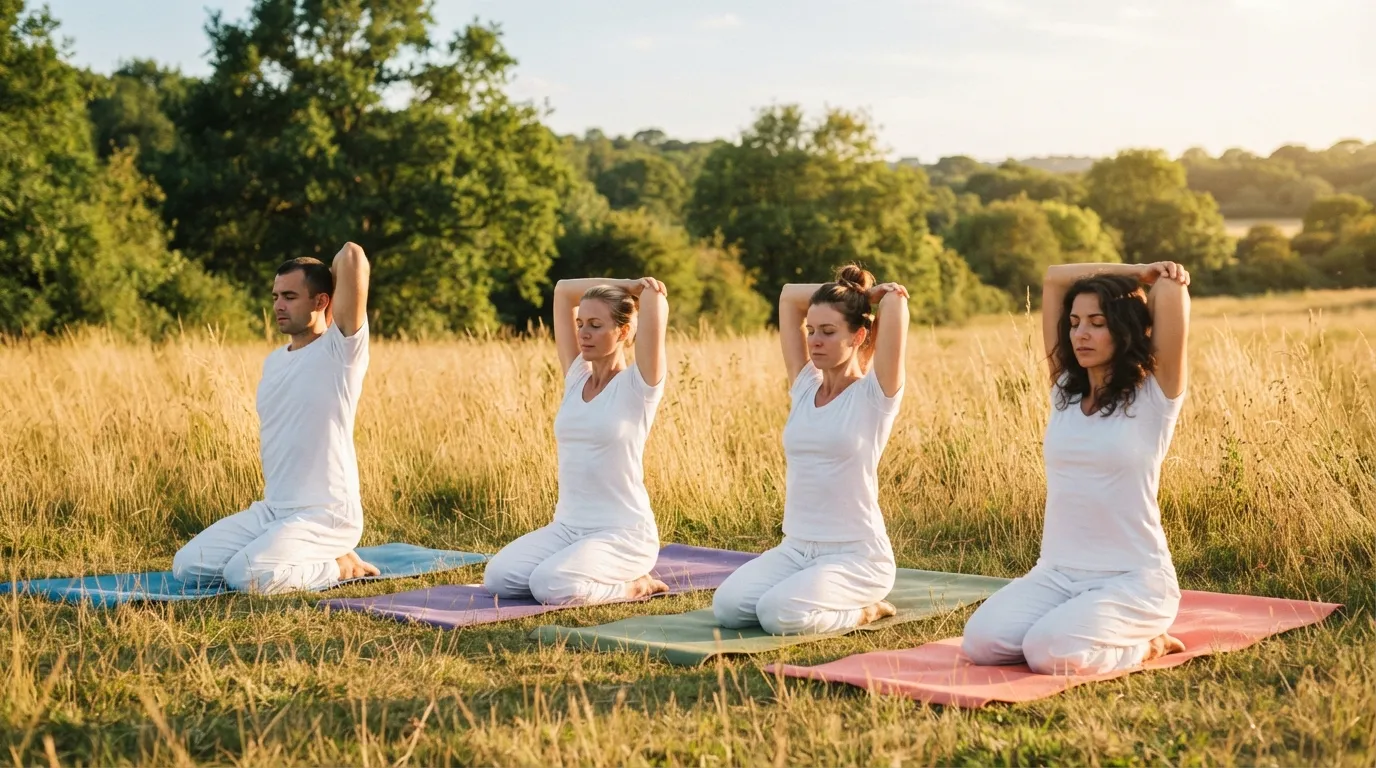
If you have ever searched “how long to hold yin yoga poses?” you already know the short answer that pops up everywhere: somewhere between three and five minutes. But that single line does not tell you why the timing matters, how it changes as you grow more experienced, or why a slow, quiet practice like this can also calm an anxious mind and support emotional healing.
At One Yoga International, we believe the real answer is more personal than a number on a screen, and this guide will walk you through everything you need to know to hold your poses with confidence, safety, and purpose.
What Is Yin Yoga?
Yin yoga is a slow, meditative style of yoga where poses are held for several minutes at a time instead of moving quickly from one shape to the next. Unlike faster-paced styles, yin yoga targets the connective tissues, joints, and fascia rather than the muscles. It is a passive practice, which means you use gravity and stillness instead of muscular effort to deepen a stretch.
This quiet, introspective approach makes yin yoga a favorite for people looking to slow down, both physically and mentally.
How Yin Yoga Differs From Other Yoga Styles
Most yoga styles, like vinyasa or power yoga, are considered “yang” practices because they are active, muscular, and dynamic. Yin yoga is the opposite. It asks you to relax your muscles completely and let your body sink into a shape without forcing anything.
Poses are usually done seated or lying down, and props like bolsters, blankets, and blocks are commonly used for support. This gentle approach makes yin yoga accessible to almost everyone, including people recovering from injury or emotional stress.
Why Yin Yoga Uses Long Holds
The long holds in yin yoga are not arbitrary. Connective tissue and fascia respond to slow, steady pressure over time, not quick stretches. Holding a pose for several minutes gives these deeper tissues a chance to gently lengthen and release tension that muscles alone cannot reach. This is also why yin yoga feels so different emotionally.
When the body stays still for a while, the nervous system has time to shift out of a stressed state and into a calmer one.
How Long to Hold Yin Yoga Poses?
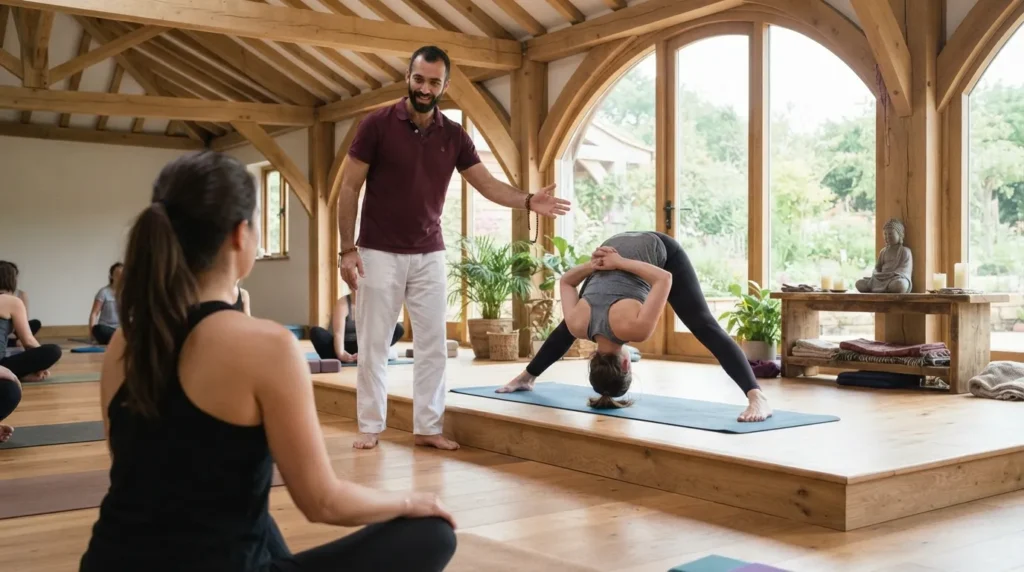
The general rule is to hold most yin yoga poses for three to five minutes, though this can range from one minute for beginners to as long as eight or ten minutes for advanced practitioners. The right hold time depends on your experience, the specific pose, and how your body feels that day. There is no single perfect number, and listening to your own body will always matter more than following a strict rule.
Beginner Hold Times
If you are new to yin yoga, start with shorter holds of about one to two minutes per pose. This gives your body time to get used to the sensation of staying still in a deep stretch without feeling overwhelmed.
As your comfort grows over a few weeks of practice, you can slowly extend your holds toward the three-minute mark. Patience here pays off, since rushing into long holds too soon can lead to unnecessary strain.
Intermediate Hold Times
Once you have practiced yoga regularly for a few months, three to five minute holds usually feel more comfortable and sustainable. At this stage, your body has adapted to the stillness, and your mind has likely become better at settling into the quiet, meditative pace. You may also start noticing which poses you naturally want to hold longer based on how your body responds.
Advanced Hold Times
Experienced yin practitioners often hold poses for five to eight minutes, and some deepen this even further for specific poses like saddle or dragon. Advanced holds require a strong sense of body awareness so you can tell the difference between a productive stretch and a signal to stop. This level of practice is less about proving endurance and more about deep familiarity with your own limits.
Comparison Table: Yin Yoga Hold Times by Experience Level
| Experience Level | Recommended Hold Time | Notes |
| Beginner | 1–2 minutes | Focus on comfort and breathing |
| Intermediate | 3–5 minutes | Standard yin yoga range |
| Advanced | 5–8+ minutes | Requires strong body awareness |
Why Are Yin Yoga Poses Held for So Long?
Long holds are the defining feature of yin yoga, and they exist for a clear physiological reason. Your body needs sustained, gentle pressure to access tissues that do not respond well to quick movement. This is very different from stretching before a run or a gym session, where short, active stretches are usually enough. Understanding the science behind this helps explain why patience is such a central part of the practice.
The Science Behind Connective Tissue
Connective tissue, including ligaments and fascia, is denser and less elastic than muscle tissue, so it needs more time to respond to stretching. When you hold a pose for several minutes, you allow this tissue to slowly soften and adapt rather than resist.
This process is sometimes compared to slowly stretching a piece of taffy versus trying to snap it quickly. Over time, this can lead to genuine improvements in flexibility and joint health.
Fascia vs Muscles
Muscles respond quickly to stretching and also fatigue or contract quickly, which is why short holds work well in more active yoga styles. Fascia, the connective web surrounding muscles and organs, behaves very differently and needs sustained pressure to shift.
Yin yoga specifically targets this fascia network, which is one reason the poses feel so different from a typical stretching routine. This distinction is part of what makes yin yoga such a unique complement to more active forms of exercise.
How Long Holds Affect the Nervous System
Staying still in a pose for several minutes naturally encourages slower breathing and a quieter mind. This shift helps activate the parasympathetic nervous system, which is responsible for rest and recovery rather than stress and alertness.
Many practitioners describe feeling noticeably calmer after a yin session, even if the physical stretch itself was intense. This nervous system effect is a big part of why yin yoga is often recommended for stress and anxiety relief.
Recommended Hold Times for Popular Yin Yoga Poses
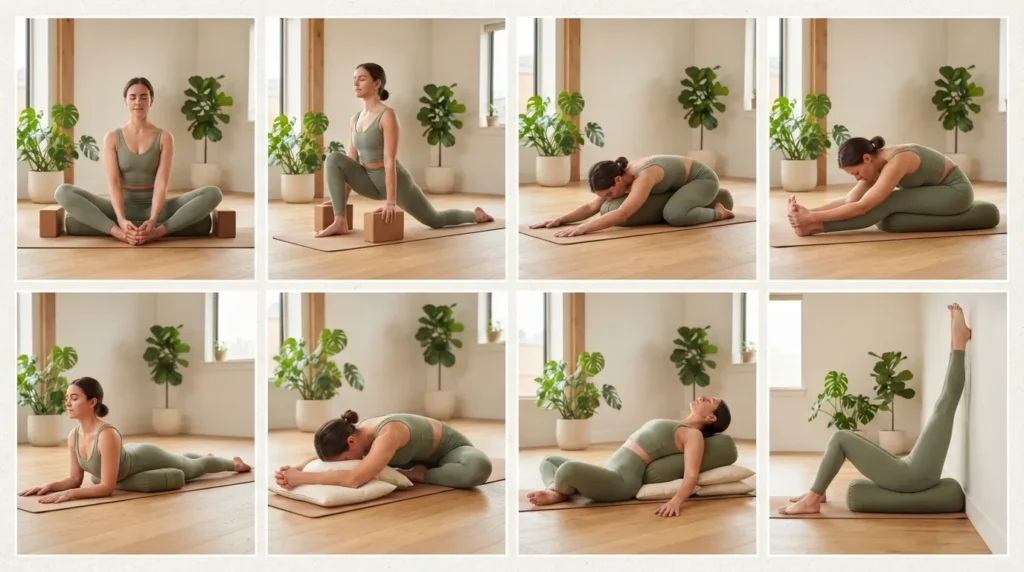
Different Yin Yoga poses have different recommended hold times depending on their intensity and the areas they target. Use these general guidelines and always adjust based on your comfort level.
Butterfly Pose
Hold for 3–5 minutes. A gentle hip opener that’s ideal for beginners. Place a cushion under your knees for extra support.
Dragon Pose
Hold for 1–2 minutes per side if you’re a beginner, or 3–5 minutes with more experience. Use yoga blocks to reduce intensity.
Child’s Pose
Hold for 2–5 minutes. A calming, restorative pose that works well as a resting or transition posture.
Caterpillar Pose
Hold for 3–5 minutes. This forward fold stretches the hamstrings and lower back while encouraging relaxation.
Sphinx Pose
Hold for 3–4 minutes. A gentle backbend that opens the chest and relieves lower back tension.
Sleeping Swan Pose
Hold for 2–5 minutes per side. A deep hip opener that becomes more comfortable with props under the hip.
Saddle Pose
Hold for 3–5 minutes. An advanced pose that deeply stretches the thighs and hip flexors. Use props for support.
Legs-Up-the-Wall Pose
Hold for 5–10 minutes. A restorative pose that promotes relaxation and is perfect for ending a Yin Yoga practice.
Read more: 200 hour yoga teacher training program
Yin Yoga Hold Time Chart
| Pose | Beginners | Intermediate | Advanced | Benefits |
| Butterfly | 2–3 min | 3–5 min | 5 min | Hip and inner thigh release |
| Dragon | 1–2 min | 3 min | 3–5 min | Hip flexor opening |
| Child’s Pose | 2–3 min | 3–4 min | 4–5 min | Rest and gentle stretch |
| Caterpillar | 2–3 min | 3–5 min | 5 min | Lower back and hamstrings |
| Sphinx | 2–3 min | 3–4 min | 4–5 min | Gentle backbend |
| Sleeping Swan | 2 min | 3–4 min | 4–5 min | Deep hip release |
| Saddle | Not recommended yet | 3 min | 3–5 min | Quadriceps and hip flexors |
| Legs-Up-the-Wall | 5 min | 5–8 min | 8–10 min | Deep relaxation |
What Happens If You Hold Yin Yoga Poses Too Long?
While long holds are the goal of yin yoga, there is a difference between a productive stretch and pushing your body past what it can safely handle. Holding a pose too long or too intensely can lead to strain rather than benefit. Being able to recognize your own warning signs is one of the most important skills to develop in this practice.
Signs You’re Staying Too Long
Sharp pain, numbness, tingling, or shaking are all signs that you have gone past a healthy edge in a pose. A dull, spreading sensation is normal in yin yoga, but anything sharp or localized to a joint is a signal to ease off. Ignoring these signs can lead to unnecessary injury over time. Trusting these physical cues is far more reliable than trying to hit a specific time goal.
Safe Discomfort vs Pain
Yin yoga often involves a mild, steady discomfort that softens slightly as you breathe through it. This is very different from sharp or worsening pain, which should never be pushed through. A helpful guideline is to stay at around seventy percent of your maximum stretch rather than one hundred percent. This leaves room for your body to relax rather than tense up in resistance.
When to Come Out of a Pose
If you notice pain increasing rather than easing, or if your mind becomes distracted by discomfort instead of settling, it is time to come out of the pose. There is no shame in shortening a hold, especially as a beginner. Coming out slowly and mindfully is just as important as the pose itself. Over time, you will develop a clearer sense of your own limits.
How Often Should You Practice Yin Yoga?
Consistency matters more than intensity when it comes to yin yoga. Practicing regularly, even for shorter sessions, tends to bring better results than occasional long sessions. How often you practice can depend on your goals, your schedule, and how your body responds to the deep stretching involved.
Daily Practice
A short, gentle daily practice of fifteen to twenty minutes can be a wonderful way to unwind, especially in the evening. Daily practice does not need to be intense, and a few well-chosen poses are often enough. This approach works particularly well for people using yin yoga primarily for stress relief. Over time, even brief daily sessions can add up to meaningful change.
2–3 Times Per Week
For most people, practicing yin yoga two to three times per week strikes a good balance between benefit and recovery time. This frequency allows connective tissue enough time to adapt between sessions. It also fits more easily into a busy schedule than a daily commitment. Many yoga teachers recommend this pace for building flexibility and calm.
Best Time of Day
Yin yoga can be practiced at any time of day, but many people find it especially helpful in the evening to unwind before sleep. Practicing in the morning can also work well if you have some tension from sleeping. The best time is ultimately whenever you can be consistent and unhurried. Avoiding a rushed practice matters more than the specific hour you choose.
Is Yin Yoga Good for Anxiety and Emotional Trauma?
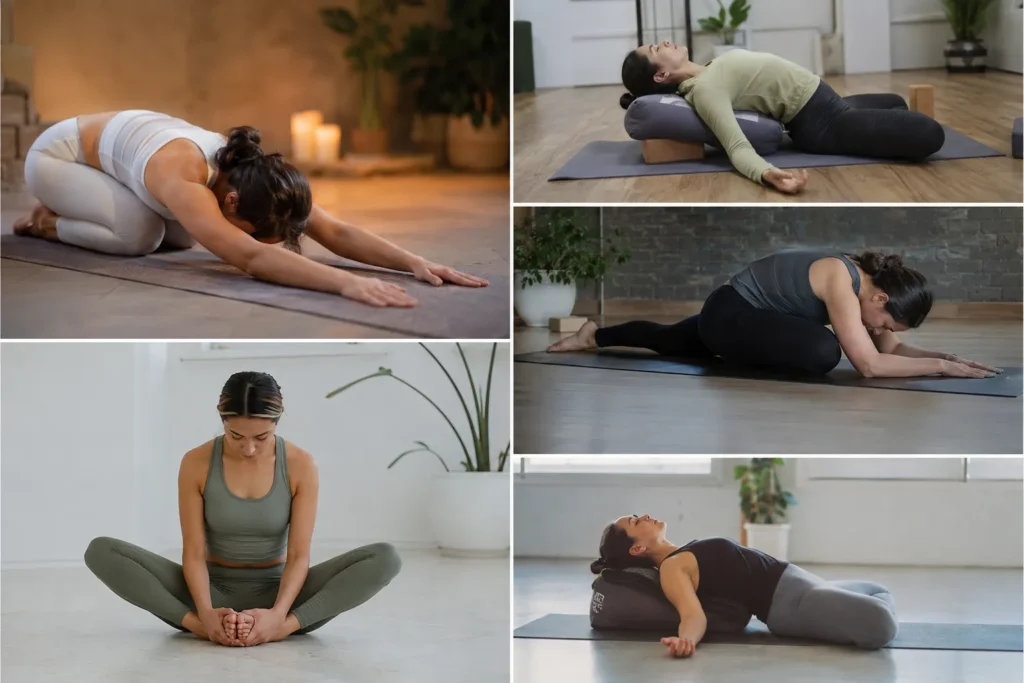
Yin yoga is widely valued for its calming effect on both the mind and nervous system, which is why many people ask whether it can help with anxiety and emotional trauma. The slow pace, focus on breath, and stillness create space for the body to settle in a way that faster styles of movement often do not allow. While yin yoga is not a replacement for professional mental health support, it can be a meaningful complementary practice.
How Yin Yoga Calms the Nervous System
The long, still holds in yin yoga encourage slower breathing, which signals safety to the nervous system. This shift can lower heart rate and reduce the physical symptoms often associated with anxiety, such as tension and shallow breathing. Over time, regular practice may help the body become more familiar with this calmer state. This is one reason yin yoga is often recommended alongside other stress-reduction techniques.
Emotional Release During Yin Yoga
It is common for people to experience unexpected emotions, including sadness or tears, during a yin yoga session. This is thought to happen because stored tension in the body can be connected to emotional experiences, and stillness allows these feelings to surface.
This kind of release is generally considered a normal and even healthy part of the practice. If emotions feel overwhelming, it is always okay to pause, rest, or seek support from a trained instructor.
What Research Says
Early research on yin yoga and slow, mindful movement suggests it may support reduced stress and improved emotional regulation, though studies specific to yin yoga alone are still limited. Broader research on mindfulness-based practices does show consistent benefits for anxiety and nervous system regulation.
As with any wellness practice, individual results can vary. Anyone managing a diagnosed anxiety condition or trauma history should treat yin yoga as a supportive tool alongside professional care.
Yin Yoga for Trauma Recovery
For those navigating trauma recovery, yin yoga’s slow and gentle approach can feel more accessible than faster-paced physical activity. The practice emphasizes choice, safety, and awareness, all of which are important considerations for trauma-sensitive movement. At One Yoga International, we always encourage a compassionate, patient approach to this kind of practice.
Trauma-Informed Yin Yoga Tips
A trauma-informed approach to yin yoga emphasizes optional touch, clear language, and the freedom to modify or skip any pose. Instructors trained in this approach often offer choices rather than instructions, such as suggesting an alternative shape rather than requiring a specific one.
This sense of control can be especially important for trauma survivors. Practicing in a quiet, predictable environment can also help create a greater sense of safety.
Best Beginner Poses
Gentle, grounding poses like child’s pose, legs-up-the-wall, and a supported reclining butterfly are often good starting points for trauma-informed practice. These poses tend to feel safe and are less likely to trigger vulnerability compared to deep hip openers. Starting with shorter hold times of one to two minutes can also help ease anyone into the practice. Building confidence slowly is more important than rushing toward longer holds.
Safety Precautions
It is important to work with a qualified, trauma-informed instructor when using yoga specifically for trauma recovery. Poses should never be forced, and props should be used generously to create comfort and support.
If a pose brings up overwhelming emotions or memories, stopping and returning to a comfortable position is always the right choice. Yin yoga can be a valuable tool, but it should complement, not replace, appropriate mental health care.
Benefits of Holding Yin Yoga Poses Longer
Holding poses for extended periods is what makes yin yoga uniquely effective, offering benefits that go beyond a typical stretching routine. These benefits touch both the physical body and the mind, which is part of why the practice has grown so popular.
Learn: Can yin yoga release emotional trauma?
Improved Flexibility
Longer holds allow connective tissue to gradually lengthen, which can lead to noticeable improvements in flexibility over time. Unlike quick stretches, these changes tend to be more lasting because they affect fascia rather than just muscle.
Consistency is key here, since these changes happen gradually rather than overnight. Many practitioners notice increased range of motion within a few weeks of regular practice.
Better Joint Mobility
Yin yoga’s long holds also target the tissues surrounding joints, which can improve overall joint mobility. This is especially beneficial for areas like the hips, knees, and spine that can become stiff from long periods of sitting. Improved joint mobility can make everyday movement feel easier and more comfortable. This benefit is often noticed most in poses like dragon and butterfly.
Reduced Stress
The slow, meditative nature of yin yoga naturally encourages relaxation, which can meaningfully lower stress levels over time. Many people use yin yoga specifically as a way to decompress after a demanding day. The combination of stillness and breath awareness makes this style particularly effective for stress relief. This benefit is one of the most commonly reported by regular practitioners.
Improved Sleep
Because yin yoga calms the nervous system, many people find that practicing in the evening supports better, more restful sleep. Gentle poses like legs-up-the-wall are especially popular for this purpose. Slower breathing patterns developed during practice can also carry over into a more relaxed bedtime routine. This makes yin yoga a popular addition to evening wind-down rituals.
Mindfulness and Emotional Balance
Staying still in a pose for several minutes naturally encourages present-moment awareness, which is a core element of mindfulness. This can support greater emotional balance and a clearer sense of calm over time. Many practitioners describe yin yoga as a moving meditation rather than just a physical practice. This mental benefit is often just as valued as the physical one.
Common Mistakes Beginners Make
Like any new practice, it is easy to make a few common mistakes when starting yin yoga. Being aware of these can help you build a safer, more enjoyable practice from the beginning.
Holding Too Long Too Soon
Many beginners try to hold poses for the full recommended time right away, which can lead to unnecessary strain. It is far better to start with shorter holds and build up gradually as your body adapts. Rushing this process does not speed up progress and may increase the risk of injury. Patience truly is part of the practice itself.
Stretching Into Pain
Confusing intense sensation with actual pain is a common mistake, especially for newer practitioners. Yin yoga should feel like a steady stretch, not a sharp or worsening pain. Learning to recognize this difference takes time and self-awareness. Working with an instructor early on can help you calibrate this more accurately.
Forgetting to Breathe
It is easy to unintentionally hold your breath when a stretch feels intense, but this can actually increase tension in the body. Slow, steady breathing helps your muscles relax and allows the stretch to deepen naturally. Making breath awareness a priority is one of the simplest ways to improve your practice. This small shift can make a noticeable difference in comfort.
Skipping Props
Some beginners avoid using props like blocks, bolsters, or blankets, thinking they are only for less capable practitioners. In reality, props make longer holds more sustainable and safer for everyone, regardless of experience level. Skipping them often leads to unnecessary tension or shortened holds. Embracing props is a sign of a smart practice, not a limited one.
Tips for Holding Yin Yoga Poses Comfortably
A few simple adjustments can make a significant difference in how comfortable and effective your yin yoga practice feels. These tips are especially helpful for anyone just starting out.
Use Bolsters and Blocks
Props can help support your body in a pose, allowing your muscles to relax more fully. This makes it easier to sustain longer holds without unnecessary strain. Bolsters under the knees or hips are especially useful in poses like butterfly and dragon. Investing in a few basic props can meaningfully improve your practice.
Relax Your Muscles
Since yin yoga is a passive practice, actively relaxing your muscles rather than engaging them is key to getting the full benefit. This can feel counterintuitive at first, especially for people used to more active yoga styles. Consciously softening your shoulders, jaw, and hands can help signal this relaxation throughout your body. Over time, this becomes more natural with practice.
Focus on Slow Breathing
Slow, steady breathing helps regulate the nervous system and makes long holds feel more manageable. Try to breathe in and out through the nose at a calm, even pace throughout each pose. This also helps keep your mind anchored in the present moment rather than distracted by discomfort. Breath awareness is often described as the true heart of yin yoga.
Listen to Your Body
No guideline or hold-time chart can replace your own awareness of how your body feels in the moment. Some days you may need shorter holds, while other days you may comfortably hold longer. Learning to trust these signals is one of the most valuable skills yin yoga can teach. This mindset carries benefits well beyond the yoga mat.
Sample 30-Minute Yin Yoga Routine With Hold Times
| Pose | Hold Time |
| Butterfly | 3–5 min |
| Dragon | 2–3 min each side |
| Sphinx | 4 min |
| Child’s Pose | 3 min |
| Legs-Up-the-Wall | 5 min |
This simple routine offers a well-rounded mix of hip opening, gentle backbending, and restful relaxation in about thirty minutes. It works well for beginners and can easily be extended as your comfort with longer holds grows. Feel free to adjust the order or add a few extra minutes of rest between poses if needed. The most important thing is moving through the sequence at a pace that feels right for you.
Conclusion
There is no single perfect answer to how long you should hold a yin yoga pose, but understanding the general guidelines for your experience level gives you a strong, safe starting point. As you grow more familiar with your body’s signals, you will naturally find the hold times that work best for you, both physically and emotionally. Whether you are drawn to yin yoga for flexibility, stress relief, or support during trauma recovery, the practice rewards patience above all else. At One Yoga International, we encourage you to approach your yin yoga journey slowly, mindfully, and with plenty of compassion for yourself along the way.
Frequently Asked Questions (FAQ)
How long should you hold yin yoga poses?
Most yin yoga poses are held for three to five minutes, though beginners can start with one to two minutes. The right time depends on your experience level and how your body feels that day.
How many minutes should a beginner hold a yin yoga pose?
Beginners should hold poses for one to two minutes to start, gradually building up as their body adapts. Rushing into longer holds too soon can lead to unnecessary strain.
Why are yin yoga poses held for so long?
Long holds allow connective tissue and fascia to slowly soften, since these tissues respond to sustained pressure rather than quick movement. This is also what helps calm the nervous system during practice.
Is yin yoga good for anxiety and emotional trauma?
Yes, yin yoga’s slow pace and stillness can help calm the nervous system and support emotional regulation. It works best as a complementary practice alongside professional mental health care.
How long is a full yin yoga session?
A typical yin yoga session lasts between 30 and 60 minutes, depending on the number of poses included. Shorter 15–20 minute sessions also work well for a daily calming practice.
How often should you practice yoga?
Practicing two to three times per week offers a good balance of benefits and recovery time for most people. A short daily practice can also work well for stress relief.
What happens if you hold a yin yoga pose too long?
Holding a pose too long can cause sharp pain, numbness, or tingling, which are signs to ease off immediately. Safe discomfort should feel steady and dull, never sharp or worsening.