

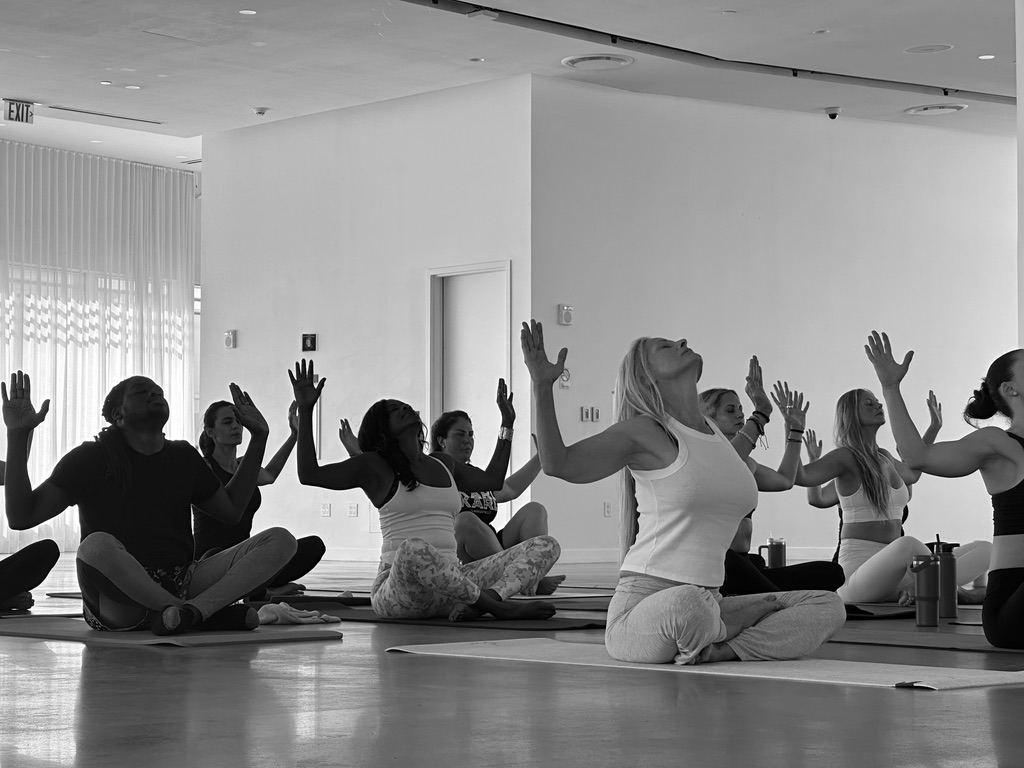
Living with shoulder pain can be exhausting.
Whether you’re struggling to lift your arm, experiencing stabbing sensations when reaching overhead, or dealing with chronic stiffness that disrupts your sleep, yoga for shoulder joint pain offers a gentle yet powerful path to healing.
At One Yoga International, we’ve helped thousands of students transform their relationship with shoulder discomfort through mindful movement and targeted therapeutic practices.
This comprehensive guide reveals everything you need to know about using yoga to heal shoulder pain naturally.
Understanding Your Shoulder Pain: Why Yoga Works
Your shoulder is the most mobile joint in your body—and that mobility comes with vulnerability.
Shoulder pain affects nearly 18-26% of adults at any given time, stemming from various causes including:
- Rotator cuff injuries and inflammation
- Frozen shoulder (adhesive capsulitis)
- Shoulder impingement syndrome
- Poor posture from desk work
- Muscle imbalances and weakness
- Previous injuries or trauma
- Age-related degeneration
Yoga for shoulder pain works differently than conventional treatments.
Instead of masking symptoms, yoga addresses root causes by restoring balance, improving circulation, and releasing tension patterns that perpetuate discomfort.
The Science Behind Yoga’s Healing Power
Recent studies demonstrate that regular yoga practice significantly reduces shoulder pain intensity while improving range of motion and functional capacity.
Yoga achieves these results through:
- Increased blood flow to damaged tissues, accelerating natural healing
- Gentle stretching that releases adhesions and scar tissue
- Strengthening of stabilizing muscles around the shoulder joint
- Improved proprioception (body awareness) that prevents compensation patterns
- Stress reduction that lowers inflammation throughout the body
- Nervous system regulation that reduces pain sensitivity
Common Shoulder Conditions That Respond to Yoga
Frozen Shoulder: Breaking Through the Freeze
Yoga for frozen shoulder requires patience and consistency.
This condition, characterized by progressive stiffness and severely limited range of motion, typically moves through three phases: freezing, frozen, and thawing.
Gentle yoga practices can significantly reduce recovery time while managing pain throughout each phase.
Key principles for frozen shoulder:
- Never force movement beyond your comfortable range
- Practice daily, even if just for 10-15 minutes
- Focus on gentle circular movements and pendulum swings
- Gradually introduce supported stretches as mobility returns
- Use props extensively to make poses accessible
Shoulder Impingement: Creating Space
Yoga for shoulder impingement focuses on decompressing the joint and strengthening the rotator cuff.
Impingement occurs when the space between your shoulder blade and rotator cuff narrows, causing pinching and inflammation.
Strategic yoga practice:
- Strengthens muscles that stabilize the shoulder blade
- Improves posture to prevent forward shoulder collapse
- Stretches tight chest muscles that pull shoulders forward
- Creates awareness of harmful movement patterns
- Gradually restores pain-free overhead mobility
Neck and Shoulder Tension: The Modern Epidemic
Yoga for neck and shoulder pain addresses the interconnected nature of upper body tension.
Hours spent hunched over screens create chronic tightness in the trapezius, levator scapulae, and surrounding muscles.
This integrated approach:
- Releases trigger points in neck and shoulder muscles
- Corrects forward head posture
- Strengthens deep neck flexors for better support
- Teaches proper breathing patterns that reduce tension
- Promotes relaxation through the entire upper body
Shoulder Blade Pain: The Hidden Culprit
Yoga for shoulder blade pain targets the rhomboids, serratus anterior, and other muscles that stabilize your scapula.
Weakness or dysfunction in these muscles creates referred pain and compromises shoulder mechanics.
Effective strategies include:
- Specific strengthening for shoulder blade retractors
- Stretches for overactive muscles like the upper trapezius
- Postural awareness exercises
- Proprioceptive training for better scapular control
15 Essential Yoga Poses for Shoulder Pain Relief
Foundational Poses for All Shoulder Conditions
1. Thread the Needle (Parsva Balasana)
This gentle twist provides deep release for the upper back and shoulders.
How to practice:
- Start on hands and knees in tabletop position
- Slide your right arm underneath your left, palm facing up
- Lower your right shoulder and temple to the mat
- Hold for 60-90 seconds, breathing deeply into the stretch
- Repeat on the opposite side
Benefits: Releases tension between shoulder blades, improves thoracic mobility, gentle decompression for rotator cuff
2. Eagle Arms (Garudasana Arms)
Perfect for opening tight shoulders and releasing upper back tension.
How to practice:
- Sit comfortably or stand with feet hip-width apart
- Extend arms forward at shoulder height
- Cross right arm over left, bending elbows
- Bring palms together or place back of hands together
- Lift elbows slightly while drawing shoulders down
- Hold 30-60 seconds, then switch sides
Benefits: Stretches upper back, opens space between shoulder blades, improves shoulder flexibility
3. Cow Face Arms (Gomukhasana Arms)
Excellent for shoulder mobility and releasing tightness in multiple directions.
How to practice:
- Reach right arm overhead, bend elbow, hand reaching down back
- Bring left arm behind back, bend elbow, hand reaching up
- Attempt to clasp hands (use a strap if needed)
- Keep spine tall and breathe deeply for 45-60 seconds
- Repeat on opposite side
Benefits: Deep shoulder stretch, improves flexibility, addresses muscle imbalances
4. Supported Fish Pose (Matsyasana)
A restorative opener for chest and shoulders.
How to practice:
- Place a yoga block or rolled blanket lengthwise under upper back
- Lie back, allowing chest to open and shoulders to release
- Arms can rest by sides or extend overhead
- Remain for 2-5 minutes, breathing into the opening
- Excellent as part of yoga for shoulder opening practices
Benefits: Releases anterior shoulder tightness, corrects rounded posture, promotes deep relaxation
5. Puppy Pose (Uttana Shishosana)
A modified child’s pose that provides targeted shoulder relief.
How to practice:
- Begin on hands and knees
- Walk hands forward while keeping hips over knees
- Lower chest toward floor, forehead resting on mat
- Keep arms active and engaged
- Hold for 60-90 seconds
Benefits: Lengthens shoulders and upper back, creates traction for the spine, calming for the nervous system
Intermediate Poses for Building Strength
6. Dolphin Pose (Ardha Pincha Mayurasana)
Strengthens shoulders while improving flexibility.
How to practice:
- Start on forearms and knees, elbows shoulder-width apart
- Tuck toes and lift hips toward ceiling
- Press forearms down and draw shoulder blades onto back
- Hold for 30-60 seconds while breathing steadily
Benefits: Builds rotator cuff strength, improves shoulder stability, prepares for more advanced poses
7. Downward Facing Dog (Adho Mukha Svanasana)
When practiced correctly, this foundational pose strengthens and stretches shoulders simultaneously.
How to practice:
- From hands and knees, tuck toes and lift hips high
- Create an inverted V-shape with your body
- Rotate upper arms externally, broadening shoulder blades
- Hold for 5-10 breaths, focusing on shoulder engagement
Benefits: Strengthens shoulders and arms, stretches back body, improves posture
8. Reverse Prayer (Pashchima Namaskarasana)
An advanced shoulder and wrist opener.
How to practice:
- Bring arms behind back, bending elbows
- Press palms together with fingers pointing up spine
- Draw hands higher up back while keeping chest open
- Hold for 20-40 seconds (modify with hands clasping if needed)
Benefits: Deep shoulder flexibility, opens chest, improves internal rotation
9. Extended Puppy with Side Bend
Combines shoulder opening with lateral stretching.
How to practice:
- From puppy pose, walk hands toward right side
- Feel the stretch along left shoulder and side body
- Hold 45-60 seconds, then switch sides
- Breathe deeply into areas of tightness
Benefits: Addresses lateral shoulder restrictions, releases intercostal muscles, improves overall mobility
10. Humble Warrior (Baddha Virabhadrasana)
Integrates shoulder opening with leg strengthening.
How to practice:
- Start in Warrior I stance
- Clasp hands behind back, straightening arms
- Fold forward inside front leg, lifting arms overhead
- Hold for 30-45 seconds, then switch sides
Benefits: Intense shoulder opener, improves balance, strengthens lower body while releasing upper body
Gentle Restorative Poses for Active Healing
11. Supported Child’s Pose
The ultimate rest position for shoulder problems.
How to practice:
- Kneel with knees wide, big toes touching
- Place a bolster or pillows between thighs
- Drape torso over support, arms extended or by sides
- Remain for 3-5 minutes, allowing complete relaxation
Benefits: Passive shoulder stretch, deeply restorative, calms nervous system
12. Reclined Twist with Shoulder Release
Combines spinal rotation with shoulder opening.
How to practice:
- Lie on back, knees bent, feet flat
- Extend right arm out to side, palm up
- Drop both knees to left while turning head right
- Hold 90-120 seconds, then switch sides
Benefits: Releases shoulder tension, improves thoracic mobility, promotes detoxification
13. Wall Angels
Perfect rehabilitation exercise disguised as gentle yoga.
How to practice:
- Stand with back against wall, feet slightly forward
- Press lower back, shoulders, and head to wall
- Raise arms in “W” position, elbows bent
- Slowly slide arms overhead maintaining wall contact
- Return to start position, repeat 10-15 times
Benefits: Strengthens postural muscles, improves shoulder mechanics, easy to practice daily
14. Doorway Chest Stretch
Simple yet highly effective for muscle pain in shoulder.
How to practice:
- Stand in doorway, forearm against door frame
- Step forward with same-side leg until stretch is felt across chest
- Hold 45-60 seconds each side
- Vary arm height to target different chest muscle fibers
Benefits: Releases tight pectorals, corrects forward shoulder posture, instant relief
15. Corpse Pose with Shoulder Support (Savasana)
The most important pose for nervous system healing.
How to practice:
- Lie on back with support under knees
- Place small rolled towels under each shoulder joint
- Allow arms to rest slightly away from body, palms up
- Remain for 5-10 minutes, practicing conscious relaxation
Benefits: Integrates practice benefits, reduces stress hormones, promotes healing response
Designing Your Personal Shoulder Healing Practice
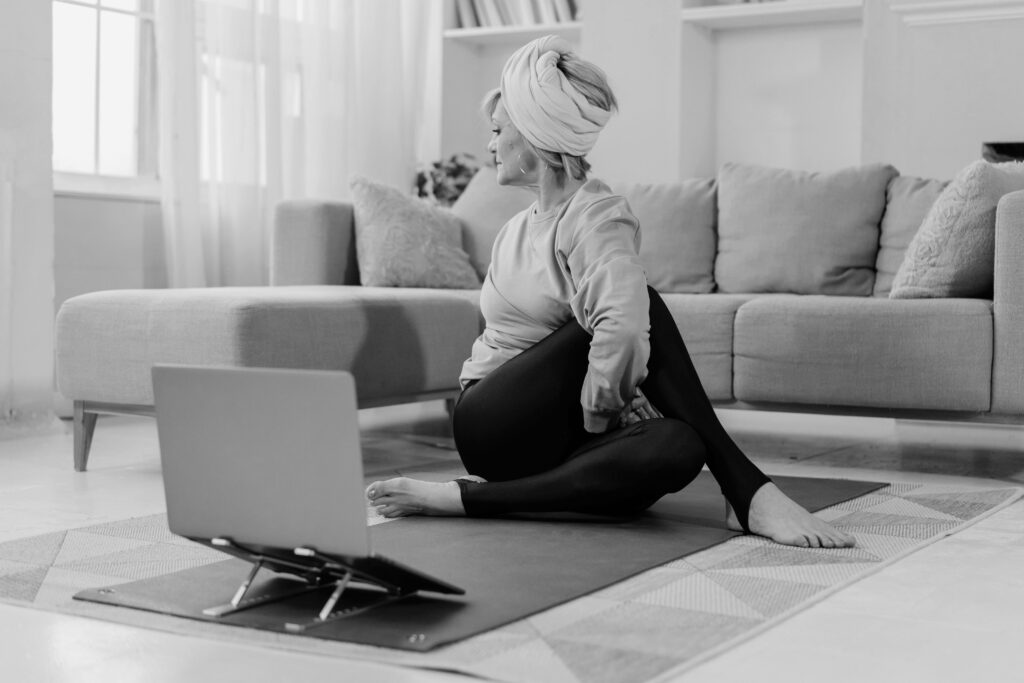
For Beginners: Building a Safe Foundation
If you’re new to yoga for neck and shoulder pain beginners, start slowly and honor your body’s current limitations.
Week 1-2 Protocol:
- Practice 10-15 minutes daily
- Focus on gentle range-of-motion movements
- Include: Thread the Needle, Supported Child’s Pose, Gentle Neck Rolls
- End with 5 minutes of Savasana
- Notice improvements in pain levels and mobility
Week 3-4 Protocol:
- Increase to 20-25 minutes daily
- Add: Cow Face Arms (with strap), Puppy Pose, Wall Angels
- Begin incorporating gentle strengthening
- Practice 2x daily for faster results
For Active Recovery: Progressive Strengthening
Once acute pain subsides, focus on building resilience.
Your 30-Minute Recovery Sequence:
- Warm-up (5 minutes): Gentle neck rolls, shoulder circles, cat-cow movements
- Mobility work (10 minutes): Thread the Needle, Puppy Pose, Eagle Arms (2 rounds each)
- Strengthening (10 minutes): Dolphin Pose, Downward Dog, Wall Angels (building to 3 rounds)
- Opening (5 minutes): Supported Fish, Doorway Stretch, Cow Face Arms
- Integration (5 minutes): Savasana with shoulder support
For Chronic Conditions: The Consistency Approach
Yoga for shoulder injury requires patience and consistent practice over weeks and months.
Daily Non-Negotiables:
- Morning: 5-minute gentle mobility routine upon waking
- Midday: 2-minute shoulder release at desk (Eagle Arms, shoulder rolls)
- Evening: 15-minute therapeutic practice before bed
- Weekly: One longer 45-60 minute practice with full sequence
Monthly Check-ins:
- Assess pain levels on 1-10 scale
- Test range of motion in all directions
- Photograph posture from side and front
- Adjust practice based on progress
Common Mistakes to Avoid
Pushing Through Sharp Pain
Yoga should create sensation, not suffering.
Sharp, stabbing, or electrical pain indicates you’ve gone too far. Back off immediately and modify or skip that pose.
Learn to distinguish between:
- Productive discomfort: Stretching sensation, mild muscle burn, pleasant release
- Harmful pain: Sharp, shooting, burning, pain that persists after practice
Neglecting the Opposite Side
Even if pain is one-sided, always practice both sides equally.
This prevents compensation patterns and maintains overall balance. Asymmetric practice can actually worsen imbalances over time.
Ignoring Foundational Posture
Yoga for shoulder and neck tension requires addressing the root cause: poor postural habits.
Throughout your day:
- Set hourly reminders to check posture
- Keep shoulders back and down, away from ears
- Align ears over shoulders over hips when sitting
- Take movement breaks every 30 minutes
- Practice conscious breathing to reduce tension
Expecting Overnight Results
Shoulder healing follows a predictable timeline:
- Weeks 1-2: Pain reduction, improved awareness
- Weeks 3-6: Increased mobility, better sleep
- Weeks 7-12: Significant strength gains, functional improvements
- Months 4-6: Near-complete recovery for most conditions
Consistency matters far more than intensity.
Skipping the Warm-up
Cold muscles are injury-prone muscles.
Always begin with:
- 5 minutes of gentle movement
- Shoulder circles in both directions
- Neck rolls and tilts
- Cat-cow or gentle spinal movements
- Conscious breathing to activate parasympathetic response
Complementary Practices for Faster Healing
Breathwork for Shoulder Tension Release
Yoga exercises for neck and shoulder pain are exponentially more effective when combined with proper breathing.
Three-Part Breath for Shoulder Release:
- Sit comfortably with tall spine
- Inhale into belly, then ribs, then chest
- Exhale from chest, then ribs, then belly
- Practice 10 rounds, noticing shoulder softening
Alternate Nostril Breathing:
- Calms nervous system
- Reduces pain perception
- Promotes balanced energy flow
- Practice 5 minutes before shoulder work
Self-Massage Techniques
Enhance your yoga stretches for shoulder pain with:
Tennis Ball Release:
- Place ball between shoulder blade and wall
- Gently lean into ball, finding trigger points
- Hold pressure 30-60 seconds until release
- Move ball to explore entire shoulder blade region
Arm Pull Technique:
- Grasp forearm with opposite hand
- Gently pull arm across body
- Traction creates space in shoulder joint
- Hold 45 seconds each side
Heat and Cold Therapy
Strategic temperature application amplifies yoga benefits:
Before practice: Warm compress for 10 minutes to increase blood flow and tissue pliability
After practice: Ice pack for 10 minutes to reduce inflammation and manage post-exercise soreness
Chronic pain: Alternate hot/cold contrast therapy to pump circulation
When to Seek Professional Guidance
While yoga provides remarkable healing for most shoulder conditions, certain situations require professional evaluation:
See a healthcare provider if:
- Pain persists beyond 6-8 weeks despite consistent practice
- You experience sudden severe pain or weakness
- Numbness or tingling radiates down your arm
- Pain disrupts sleep multiple nights per week
- You notice visible deformity or dramatic loss of function
- Fever accompanies your shoulder pain
Consider working with a yoga therapist for:
- Post-surgical rehabilitation
- Complex or multiple injuries
- Chronic conditions requiring specialized modifications
- Personalized practice design
- Accountability and motivation
Transform Your Shoulder Health with One Yoga International
At One Yoga International, we understand that healing happens in community and through expert guidance.
Our Shoulder-Focused Offerings
Live Online Classes:
- Gentle Flow for Shoulder Opening (Check weekly schedule): Mindful vinyasa specifically designed for shoulder mobility and strength
- Restorative Shoulder Therapy (Check weekly schedule): Deep, supported poses for chronic shoulder conditions
- Strength & Stability Practice (Check weekly schedule): Build the foundation for pain-free shoulders
On-Demand Video Library:
- 25+ targeted yoga exercises for shoulder pain ranging from 10-60 minutes
- Progressive programs for frozen shoulder, impingement, and injury recovery
- Beginner through advanced modifications
- Mobile-friendly for practice anywhere
200-Hour Yoga Teacher Training:
- Learn anatomically-informed sequencing for shoulder health
- Study common shoulder pathologies and appropriate modifications
- Develop therapeutic skills to help others heal
- Hybrid format: Self-paced learning plus immersive weekend intensives
Why Choose One Yoga International?
Expert Guidance: Lead teacher Janine Forte and our experienced faculty bring decades of combined expertise in alignment-based yoga and therapeutic applications
Comprehensive Approach: We integrate traditional yoga wisdom with modern anatomy and movement science
Supportive Community: Connect with fellow practitioners on similar healing journeys through our online platform and live classes
Flexibility: Practice on your schedule with our extensive on-demand library, or join live classes for real-time guidance and connection
Proven Results: Hundreds of students have successfully recovered from shoulder pain through our programs
Your Membership Options
| Plan | Monthly | Annual | Features |
| Free Trial | 14 days | — | Full access to live streams and on-demand library |
| Monthly Membership | $29.99 | — | Unlimited live classes, Complete on-demand access, Community support |
| Annual Membership | — | $299/year (Save $60!) | All monthly benefits, Priority retreat registration, Exclusive workshops |
| Teacher Training | Payment plans available | $1,497 – $1,997 | 200-hour certification, Lifetime access to materials, Mentorship included |
All memberships include mobile app access, downloadable resources, and monthly live workshops
Frequently Asked Questions
How quickly will I see results from yoga for shoulder joint pain?
Most students notice reduced pain within 1-2 weeks of consistent practice. Significant mobility improvements typically appear within 4-6 weeks. Complete recovery timelines vary based on condition severity but generally range from 8-16 weeks with daily practice.
Can I practice yoga if I have severe shoulder pain?
Yes, but modifications are essential. Start with gentle range-of-motion movements and restorative poses. Avoid weight-bearing poses initially. Work with an experienced instructor who can provide appropriate modifications for your specific condition.
What’s the difference between yoga and physical therapy for shoulders?
Physical therapy focuses on targeted rehabilitation exercises and manual therapy. Yoga provides a holistic approach that addresses physical dysfunction while also reducing stress, improving body awareness, and promoting overall well-being. Many practitioners find combining both approaches yields optimal results.
Should I practice yoga for shoulder pain every day?
Yes, daily practice provides the best results. Even 10-15 minutes daily surpasses occasional longer practices. Your body needs consistent, progressive input to rewire movement patterns and build new tissue resilience.
Can yoga help with frozen shoulder specifically?
Absolutely. Yoga for frozen shoulder is remarkably effective when practiced appropriately for each phase. Gentle, progressive movement prevents further stiffening while gradually restoring mobility. Many practitioners recover several months faster with consistent yoga practice.
Are online yoga classes effective for shoulder pain?
Yes! Online classes offer unique advantages including the ability to pause, rewind, and review instructions. You can also practice more frequently from home. However, ensure you’re following qualified instructors with anatomical expertise. Consider occasional private sessions for personalized guidance.
Start Your Shoulder Healing Journey Today
You don’t have to live with shoulder pain.
Through consistent, intelligent yoga practice, you can reclaim pain-free movement, restore full range of motion, and build resilient shoulders that support you in all of life’s activities.
The most important step is simply beginning.
Your Next Steps:
- Start with our free 14-day trial to access our complete library of shoulder-focused classes
- Join our next live Gentle Flow for Shoulder Opening class this week
- Book a complimentary consultation call to discuss your specific shoulder concerns with our team
Ready to transform your shoulder health?
Join thousands who’ve discovered freedom from shoulder pain through yoga.
Your journey to pain-free shoulders begins with a single breath, a single stretch, a single choice to honor your body’s innate healing wisdom.
We’ll be with you every step of the way.
About One Yoga International
One Yoga International is a global online yoga studio offering live-streamed and on-demand classes, luxury wellness retreats, and comprehensive yoga teacher training.
Founded by Janine Forte, we create a community space where we are all One—supporting each practitioner’s journey toward healing, growth, and transformation.
Our alignment-based vinyasa approach combines mindful movement, traditional yoga wisdom, and modern anatomical understanding to help you achieve your wellness goals.
Whether you’re recovering from injury, managing chronic pain, or simply seeking to deepen your practice, we provide the guidance, community, and resources you need to thrive.
Contact Us:
- Email: hello@oneyogainternational.com
- Website: oneyogainternational.com
- Follow us on social media @oneyogainternational for daily inspiration, free classes, and wellness tips
Medical Disclaimer: This article is for educational and informational purposes only. It is not intended as a substitute for professional medical advice, diagnosis, or treatment. Always consult with a qualified healthcare provider before beginning any new exercise program, especially if you have existing injuries or medical conditions.
