
Modern life often asks women to balance multiple responsibilities at once. Whether managing a career, supporting a family, pursuing education, caring for loved ones, or simply trying to make time for personal wellbeing, it can be difficult to pause and reconnect with yourself. This constant pressure has led many women to seek healthier ways to manage stress while creating space for emotional growth and self-awareness.
This is where Women’s Mindfulness Groups offer something truly valuable. These supportive communities provide a welcoming environment where women can slow down, practice mindfulness, learn practical techniques for reducing stress, and connect with others who share similar experiences. Rather than focusing only on meditation, mindfulness groups encourage participants to develop habits that improve emotional wellbeing, strengthen self-awareness, and cultivate a healthier relationship with everyday challenges.
Whether you’re completely new to mindfulness or have been practicing for years, joining a group can deepen your understanding while providing encouragement and accountability. Through guided sessions, mindful breathing, reflection, and meaningful conversations, participants often discover practical tools that help them navigate both personal and professional life with greater confidence.
Which Communities Support Women’s Mindfulness Groups?
Women’s mindfulness groups are supportive communities where women practice mindfulness together through guided meditation, breathing exercises, reflective discussions, and simple awareness techniques. These groups help participants manage stress, improve emotional wellbeing, strengthen self-awareness, and build meaningful connections in a safe and encouraging environment. Sessions may be offered in person or online, making mindfulness more accessible regardless of location or experience level.
At One Yoga International, mindfulness is viewed as more than a single practice it’s a lifelong journey that encourages balance between the mind, body, and emotions. Combining mindfulness with yoga and breathwork creates a holistic approach that supports lasting wellbeing.
What Are Women’s Mindfulness Groups?
Mindfulness is the practice of intentionally bringing your attention to the present moment with openness, curiosity, and without judgment. While many people practice mindfulness individually, participating in a group introduces an entirely different dimension of learning. A women’s mindfulness group creates a supportive environment where participants can learn together, share experiences, and develop practical skills that are easier to maintain through consistent encouragement.
Unlike social gatherings or discussion clubs, mindfulness groups follow structured sessions designed to cultivate awareness, emotional balance, and mental clarity. Participants may engage in guided meditations, breathing techniques, mindful movement, reflective journaling, or quiet observation exercises. Every activity encourages individuals to become more aware of their thoughts, emotions, and physical sensations without immediately reacting to them.
For many women, this supportive environment becomes a place where they feel heard, understood, and accepted. Rather than trying to “fix” every challenge, mindfulness teaches participants how to respond with greater patience, compassion, and resilience. Over time, these small changes often influence relationships, work performance, decision-making, and overall quality of life.
Understanding Mindfulness Beyond Meditation
Many people assume mindfulness simply means sitting quietly with closed eyes. In reality, mindfulness is much broader than meditation alone. It is a practical skill that can be applied throughout the day while working, walking, eating, communicating, or even managing difficult emotions.
For example, mindful breathing during a stressful meeting or practicing gratitude before bedtime are both forms of mindfulness. These simple techniques gradually train the brain to become more present instead of constantly dwelling on past experiences or worrying about the future.
Within Women’s Mindfulness Groups, participants learn how to incorporate these practices into everyday life so mindfulness becomes a sustainable habit rather than an occasional exercise.
Why Women’s Mindfulness Groups Create a Different Experience
Although mindfulness benefits everyone, women often experience unique personal, professional, and emotional challenges throughout different stages of life. Responsibilities at home, workplace expectations, caregiving roles, and personal transitions can create ongoing stress that affects overall wellbeing.
A women focused mindfulness community provides an environment where participants feel comfortable discussing these experiences while learning evidence-informed mindfulness practices together. The shared understanding within the group often creates deeper trust and encourages meaningful conversations that may not occur in broader wellness settings.
This sense of belonging becomes just as valuable as the mindfulness techniques themselves. Feeling supported by others with similar experiences helps reduce isolation while encouraging long-term personal growth.
Who Can Benefit from Joining?
Women’s mindfulness groups welcome participants from all backgrounds and experience levels. You don’t need previous meditation experience or advanced yoga knowledge to begin.
These groups can be especially beneficial for:
- Women experiencing everyday stress or emotional overwhelm.
- Professionals seeking healthier work-life balance.
- Mothers looking for mindful self-care practices.
- Students managing academic pressure.
- Women interested in personal development.
- Anyone wanting to develop a consistent mindfulness practice within a supportive community.
The emphasis is not on perfection but on creating small, sustainable habits that contribute to long-term mental and emotional wellbeing.
Why Women’s Mindfulness Groups Matter More Than Ever
In today’s fast-moving world, many women spend most of their day responding to external demands. Emails, family responsibilities, social commitments, and constant digital notifications leave little opportunity to simply pause and reconnect with the present moment. Over time, this continuous mental activity may contribute to feelings of stress, emotional fatigue, reduced focus, and difficulty maintaining healthy boundaries.
Women’s mindfulness groups provide an intentional space where slowing down is not viewed as a luxury but as an important part of overall wellbeing. Through regular practice, participants begin developing greater awareness of their thoughts, emotions, and behavioral patterns. This increased awareness often becomes the first step toward making healthier decisions, improving relationships, and responding more calmly to life’s challenges.
Research in the field of mindfulness continues to explore its role in supporting stress management, emotional regulation, and overall psychological wellbeing. While mindfulness is not a replacement for professional healthcare when needed, many women find that practicing regularly alongside a supportive women’s mindfulness community contributes positively to their daily lives.
Supporting Emotional Wellbeing Through Shared Experiences
One of the most meaningful aspects of joining a mindfulness group is realizing that you are not navigating life’s challenges alone. Listening to others share similar experiences often creates reassurance, empathy, and mutual encouragement.
Instead of comparing achievements or offering quick solutions, mindfulness groups encourage participants to listen with compassion and without judgment. This supportive atmosphere helps strengthen emotional resilience while fostering authentic human connection.
Many participants report that these shared experiences become one of the most valuable aspects of their mindfulness journey, encouraging them to continue practicing consistently.
Building Sustainable Wellness Habits
Wellness is rarely achieved through one-time workshops or occasional moments of motivation. Lasting wellbeing develops through consistent daily habits practiced over time.
Women’s mindfulness groups encourage this consistency by providing regular opportunities to practice together, reflect on progress, and learn new techniques. Over weeks and months, participants often notice improvements in their ability to remain present, manage difficult emotions, communicate more thoughtfully, and approach everyday situations with greater clarity.
When mindfulness is combined with complementary practices such as gentle yoga, breathwork, and guided relaxation, the benefits often extend beyond individual sessions into everyday routines. At One Yoga International, these practices work together to support a holistic approach to wellness, helping individuals nurture both physical and emotional balance in a sustainable and compassionate way.
Benefits of Joining Women’s Mindfulness Groups
One of the biggest advantages of joining Women’s Mindfulness Groups is that the benefits extend far beyond the sessions themselves. Mindfulness is not simply about feeling calm during meditation—it is about developing practical life skills that help you navigate everyday situations with greater awareness, emotional balance, and confidence. Regular participation in a supportive women’s mindfulness community encourages consistency, making it easier to integrate these practices into your daily routine.
Many women find that practicing mindfulness within a group creates a stronger sense of accountability and motivation. Rather than trying to maintain a personal practice alone, participants learn from one another, celebrate progress together, and gain fresh perspectives through shared experiences. Over time, these interactions contribute to stronger emotional wellbeing, healthier relationships, and improved resilience when facing life’s challenges.
The following table highlights some of the key benefits commonly associated with regular mindfulness practice.
| Benefit | How Mindfulness Helps | Everyday Impact |
|---|---|---|
| Stress Management | Encourages calm responses through mindful breathing and awareness | Better handling of work, family, and personal responsibilities |
| Emotional Wellbeing | Increases awareness of thoughts and emotions | Greater emotional balance and self-understanding |
| Self-Awareness | Promotes reflection without judgment | Improved decision-making and confidence |
| Focus and Clarity | Reduces mental distractions | Better concentration and productivity |
| Supportive Community | Creates meaningful social connections | Reduced feelings of loneliness and isolation |
| Personal Growth | Encourages continuous learning and self-reflection | Greater confidence and long-term wellbeing |
Rather than seeking perfection, mindfulness encourages gradual progress. Small improvements practiced consistently often create meaningful changes that positively influence both personal and professional life.
Supporting Stress Management in Everyday Life
Stress is a natural part of life, but the way we respond to it can significantly affect our overall wellbeing. Through mindfulness practice, women learn techniques that encourage greater awareness of physical sensations, thoughts, and emotional reactions before responding impulsively.
Simple exercises such as mindful breathing, body awareness, and brief moments of stillness help create space between a stressful situation and your reaction. This pause often allows for more thoughtful decisions and calmer communication.
Over time, many participants notice they feel more capable of managing busy schedules, family responsibilities, workplace pressures, and unexpected challenges without becoming emotionally overwhelmed. While mindfulness cannot eliminate stress entirely, it can help change your relationship with it in healthier and more sustainable ways.
Building Emotional Resilience
Life naturally includes moments of uncertainty, disappointment, and change. Emotional resilience refers to our ability to adapt and recover from these experiences while maintaining a sense of inner balance.
Within Women’s Mindfulness Groups, participants are encouraged to observe difficult emotions with curiosity rather than judgment. Instead of suppressing emotions or becoming consumed by them, mindfulness teaches practical ways to acknowledge feelings while responding with greater compassion toward oneself.
This gradual shift often helps individuals become more patient, flexible, and emotionally aware. Developing resilience also supports healthier relationships because individuals learn to communicate more thoughtfully and respond rather than react during challenging conversations.
Developing Self-Awareness and Confidence
Greater self-awareness is one of the most transformative outcomes of consistent mindfulness practice. As participants become more familiar with their thoughts, emotions, and behavioral patterns, they often gain valuable insights into what supports their wellbeing and what may be contributing to unnecessary stress.
This awareness allows women to make decisions that better align with their personal values, goals, and priorities. Instead of operating on autopilot, mindfulness encourages intentional choices that promote healthier habits and stronger boundaries.
As confidence grows through repeated practice, many women report feeling more comfortable expressing themselves, managing difficult situations, and embracing personal growth with greater self-compassion.
Creating Meaningful Human Connections
Mindfulness is often viewed as a personal journey, but practicing within a group demonstrates the importance of human connection. A women’s mindfulness community provides encouragement, understanding, and opportunities to learn from the experiences of others.
Women’s mindfulness groups foster environments where participants can share openly without fear of criticism or comparison. Listening with empathy becomes just as important as speaking, creating relationships built on trust and mutual respect.
These authentic connections often continue beyond scheduled sessions, providing ongoing encouragement that helps individuals maintain a consistent mindfulness practice while feeling supported throughout their wellness journey.
How Women’s Mindfulness Groups Work?
For individuals considering joining their first mindfulness group, it’s natural to wonder what actually happens during a typical session. While every facilitator may have their own approach, most mindfulness groups for women follow a welcoming structure that balances guided practice, quiet reflection, and supportive discussion.
Sessions are designed to be accessible for beginners while remaining valuable for experienced practitioners. Participants are never expected to perform perfectly or share personal experiences unless they feel comfortable doing so. Instead, the focus remains on cultivating awareness, learning practical techniques, and developing habits that support long-term wellbeing.
Whether sessions take place in person or online, the overall goal is to create a calm and inclusive environment where every participant feels respected and supported.
Guided Mindfulness Meditation
Most sessions begin with a guided mindfulness meditation that encourages participants to settle their attention and become aware of the present moment. Facilitators may guide individuals to focus on their breathing, physical sensations, sounds, or thoughts without attempting to change or judge their experience.
Guided meditation helps reduce mental distractions while strengthening the ability to remain present. As participants become more familiar with this practice, many find it easier to bring mindfulness into everyday situations such as conversations, work, and family life.
Breathwork and Mindful Breathing
Breath awareness is one of the simplest yet most effective mindfulness techniques. By intentionally slowing and observing the breath, participants learn to calm both the mind and body during stressful situations.
Breathwork exercises are suitable for beginners and can easily be practiced throughout the day, making them one of the most practical skills learned within mindfulness groups.
At One Yoga International, mindful breathing is often integrated with gentle yoga practices to encourage a stronger connection between movement, breath, and present-moment awareness.
Group Reflection and Compassionate Listening
Following meditation, participants may be invited to reflect on their experience or discuss themes related to mindfulness, self-care, or emotional wellbeing. Sharing is always voluntary, allowing each individual to participate at their own comfort level.
Equally important is the practice of compassionate listening. Rather than offering advice or attempting to solve problems, participants learn to listen with patience, empathy, and respect.
This supportive communication strengthens trust within the group while reinforcing one of mindfulness’s core principles—being fully present for yourself and others.
Creating a Sustainable Practice Beyond the Sessions
The true value of mindfulness lies in applying what is learned during sessions to everyday life. Facilitators often encourage participants to practice brief mindfulness exercises between meetings, such as mindful breathing, gratitude journaling, or short meditation sessions.
These simple habits gradually become part of daily routines, helping participants maintain consistency while experiencing the long-term benefits of mindfulness. Combined with yoga, mindful movement, and supportive community, these practices contribute to a balanced and sustainable approach to overall wellness.
Mindfulness groups for women Techniques Commonly Practiced
One of the reasons Mindfulness groups for women continue to grow in popularity is their practical approach to improving everyday wellbeing. Instead of relying on a single technique, most groups introduce participants to a variety of mindfulness practices that can be adapted to different lifestyles, schedules, and personal goals. Whether you have five minutes or an hour each day, these techniques encourage you to become more aware of your thoughts, emotions, and physical sensations without judgment.
The beauty of mindfulness lies in its simplicity. Rather than trying to stop thoughts completely, participants learn to notice them with curiosity and gently return their attention to the present moment. With consistent practice, these techniques can become valuable tools for managing everyday stress, improving emotional wellbeing, and developing greater self-awareness.
Mindful Breathing
Mindful breathing is often the starting point for beginners because it is accessible anywhere and requires no special equipment. By focusing attention on each inhale and exhale, participants gradually train the mind to remain present instead of becoming overwhelmed by distractions or worries.
Practicing mindful breathing for just a few minutes each day can help create moments of calm during busy schedules, making it one of the most practical mindfulness techniques for women balancing multiple responsibilities.
Body Scan Meditation
Body scan meditation encourages participants to gently observe sensations throughout the body, beginning from the feet and gradually moving toward the head. This practice helps develop awareness of physical tension while encouraging relaxation without forcing immediate change.
Many women discover that regular body scan meditation improves their ability to recognize signs of stress earlier, allowing them to respond with greater care and compassion.
Loving-Kindness Meditation
Loving-kindness meditation focuses on developing compassion for yourself and others through positive intentions and affirmations. Rather than ignoring difficult emotions, this practice encourages participants to respond with patience, understanding, and kindness.
Within mindfulness groups for women, this exercise often strengthens empathy, improves relationships, and supports a healthier mindset during challenging periods of life.
Mindful Journaling
Journaling complements mindfulness by encouraging thoughtful reflection after meditation or daily experiences. Writing down thoughts and emotions without self-criticism often provides greater clarity and helps participants identify recurring patterns that influence their wellbeing.
Many facilitators encourage simple journaling prompts that inspire gratitude, self-reflection, and personal growth rather than perfection.
In-Person vs Women’s Online Mindfulness Groups
Choosing between an in-person or online mindfulness group depends on your lifestyle, learning preferences, and personal circumstances. Both formats provide valuable opportunities to develop a consistent mindfulness practice, and each offers unique advantages.
Online mindfulness sessions have made wellness more accessible than ever, allowing participants to join supportive communities regardless of location. In-person gatherings, meanwhile, offer face-to-face interaction and a shared physical environment that many people find motivating.
| Feature | In-Person Groups | Online Groups |
|---|---|---|
| Accessibility | Limited by location | Join from anywhere |
| Community Interaction | Face-to-face connection | Virtual support and discussion |
| Flexibility | Fixed schedules | Greater scheduling flexibility |
| Travel Required | Yes | No |
| Learning Environment | Shared physical space | Comfortable home environment |
| Ideal For | Local community building | Busy professionals, parents, and international participants |
For many women, online programs provide the flexibility needed to maintain consistency despite busy work or family commitments. Through its wellness offerings, One Yoga International supports accessible mindfulness and yoga experiences that encourage participants to develop sustainable habits regardless of where they live.
How Yoga and Mindfulness Complement Each Other
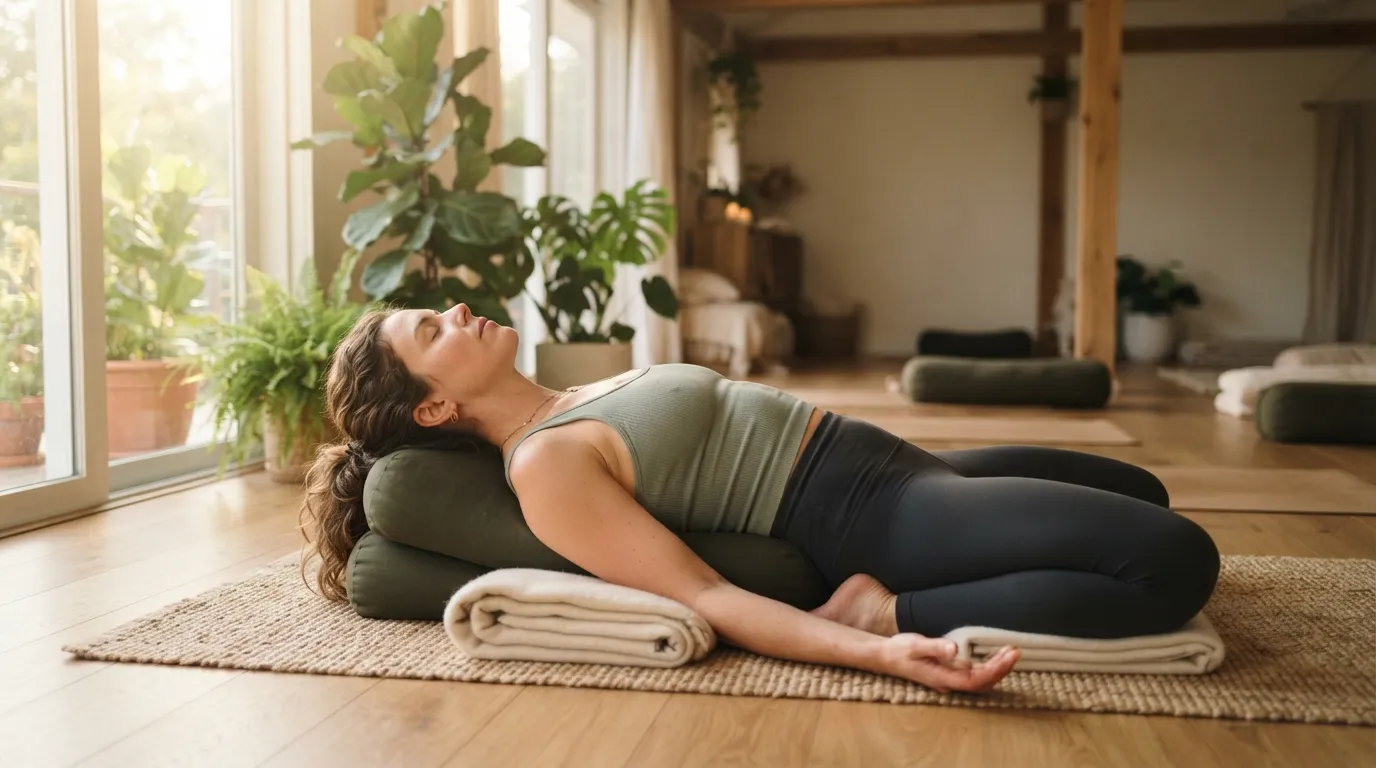
Although mindfulness and yoga are often discussed separately, they naturally support one another. Yoga encourages awareness through physical movement, posture, and breathing, while mindfulness develops the ability to remain present throughout every experience. Together, these practices create a holistic approach to wellbeing that nurtures both the mind and body.
During yoga practice, participants are encouraged to pay attention to their breathing, posture, balance, and physical sensations. This present-moment awareness transforms movement into a form of meditation, helping individuals become more connected to themselves instead of being distracted by external pressures.
Strengthening the Mind-Body Connection
The relationship between the mind and body is central to many mindfulness practices. When physical movement is combined with conscious breathing, participants often notice improved focus, greater relaxation, and increased awareness of how emotions may influence physical tension.
This connection supports healthier daily habits while encouraging individuals to approach challenges with greater patience and balance.
Creating Sustainable Wellness Habits
Mindfulness is most effective when practiced consistently. Combining gentle yoga, breathing exercises, meditation, and reflection creates a wellness routine that can realistically become part of everyday life.
At One Yoga International, mindfulness is integrated into a broader philosophy of holistic wellbeing. Yoga classes, meditation sessions, workshops, and wellness programs encourage participants to build lifelong habits rather than seeking short-term solutions.
How to Choose the Right Women’s Mindfulness Group
Finding the right mindfulness group is an important step toward creating a meaningful and sustainable practice. Every community has its own teaching style, structure, and focus, so taking time to explore your options helps ensure the experience aligns with your personal goals.
Begin by considering the facilitator’s experience, session format, and overall approach. A welcoming environment where participants feel respected and supported often encourages greater confidence, especially for beginners.
Look for Qualified Guidance
Experienced instructors create safe and inclusive learning environments while providing clear explanations of mindfulness techniques. Rather than making unrealistic promises, qualified facilitators encourage gradual progress and practical application.
Consider Group Size and Community
Some participants enjoy intimate groups that encourage deeper conversation, while others prefer larger communities offering diverse perspectives. Neither approach is universally better—the right choice depends on your personal comfort level.
Choose a Format That Fits Your Lifestyle
Consistency is more important than perfection. Whether you attend in person or online, selecting a schedule that comfortably fits your routine increases the likelihood of maintaining a regular mindfulness practice.
Frequently Asked Questions
What are women’s mindfulness groups?
Women’s mindfulness groups are supportive communities where participants practice mindfulness through guided meditation, breathing exercises, mindful reflection, and group discussions designed to encourage emotional wellbeing and personal growth.
Are mindfulness groups suitable for beginners?
Yes. Most groups welcome participants of all experience levels and provide simple techniques that are easy to learn and gradually develop over time.
Is mindfulness the same as meditation?
Meditation is one mindfulness practice, but mindfulness also includes present-moment awareness during everyday activities such as eating, walking, working, and communicating.
Can mindfulness help reduce everyday stress?
Many people find that consistent mindfulness practice supports healthier responses to everyday stress by encouraging greater awareness, emotional regulation, and relaxation. It should not replace professional medical or mental health care when that is needed.
How often should I attend a mindfulness group?
Many participants benefit from attending weekly sessions while practicing short mindfulness exercises between meetings.
Are online mindfulness groups effective?
Yes. Online groups provide flexibility and accessibility while still allowing participants to learn mindfulness techniques and connect with supportive communities.
Do I need yoga experience before joining?
No. Mindfulness groups are open to beginners, and previous yoga or meditation experience is not required.
How long does it take to notice benefits?
Every individual’s experience is different. Many participants begin noticing positive changes after practicing consistently for several weeks, particularly when mindfulness becomes part of their daily routine.
Final Thoughts
Developing a consistent mindfulness practice is not about becoming perfectly calm or eliminating every challenge from life. Instead, it is about learning how to meet each moment with greater awareness, compassion, and resilience. Women’s Mindfulness Groups provide a supportive environment where these skills can be developed gradually through shared experiences, guided practices, and meaningful human connection.
Whether you’re beginning your mindfulness journey or looking to deepen an existing practice, joining a welcoming community can provide the encouragement and structure needed to create lasting positive habits. Through regular mindfulness, gentle movement, breathwork, and self-reflection, many women discover greater clarity, confidence, and emotional balance in their everyday lives.
If you’re ready to explore a more mindful way of living, One Yoga International offers yoga, meditation, and wellness experiences designed to support holistic wellbeing. Whether you prefer guided classes, workshops, or ongoing mindfulness practice, taking the first step today can become the foundation for a healthier and more balanced tomorrow.