
If you’ve been through a divorce, you know it’s not just signing a stack of papers and walking away. It’s your whole world shifting. It’s emotionally, mentally, and yes, physically brutal.
I thought I was “moving on” just fine after my divorce. I was co-parenting, running my business, and keeping up with all the little day-to-day fires you have to put out as a mom. But my body was telling me a very different story. Tight shoulders that wouldn’t relax. Nights staring at the ceiling. A constant hum of stress I couldn’t seem to shake.
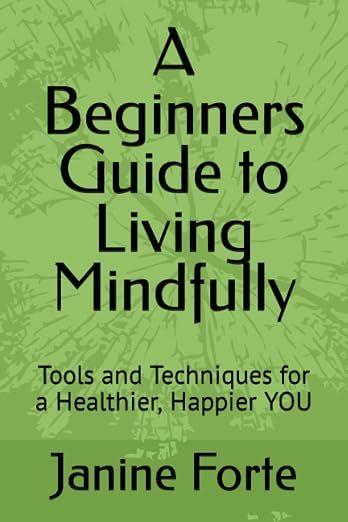
That’s why my conversation with Janine Forte, founder of One Yoga International™, hit so close to home. Janine is not only a gifted yoga and mindfulness teacher, she’s someone who understands the real toll divorce can take on a body and mind, and how yoga can be a lifeline.
“Divorce isn’t just an emotional experience,” Janine told me. “It leaves an imprint on your body. Muscle tension, fatigue, stress patterns — they all become part of your daily reality until you address them.”
I didn’t realize it at the time, but those physical symptoms were my body’s way of waving a red flag, telling me I still had unprocessed emotions hiding under the surface.
How My Healing Journey Started
When I first discovered yoga after my divorce, it wasn’t because I was trying to heal trauma. Honestly, I just needed a way to move my body that didn’t feel like punishment. I was tired of forcing myself onto the treadmill or into workouts that felt like one more thing on my to-do list.
Yoga felt different. Slower. Kinder. But in the early days, I treated it like a workout. I’d show up, sweat a little, check the box. It wasn’t until I started learning from teachers like Janine that I realized yoga could be about so much more than stretching.
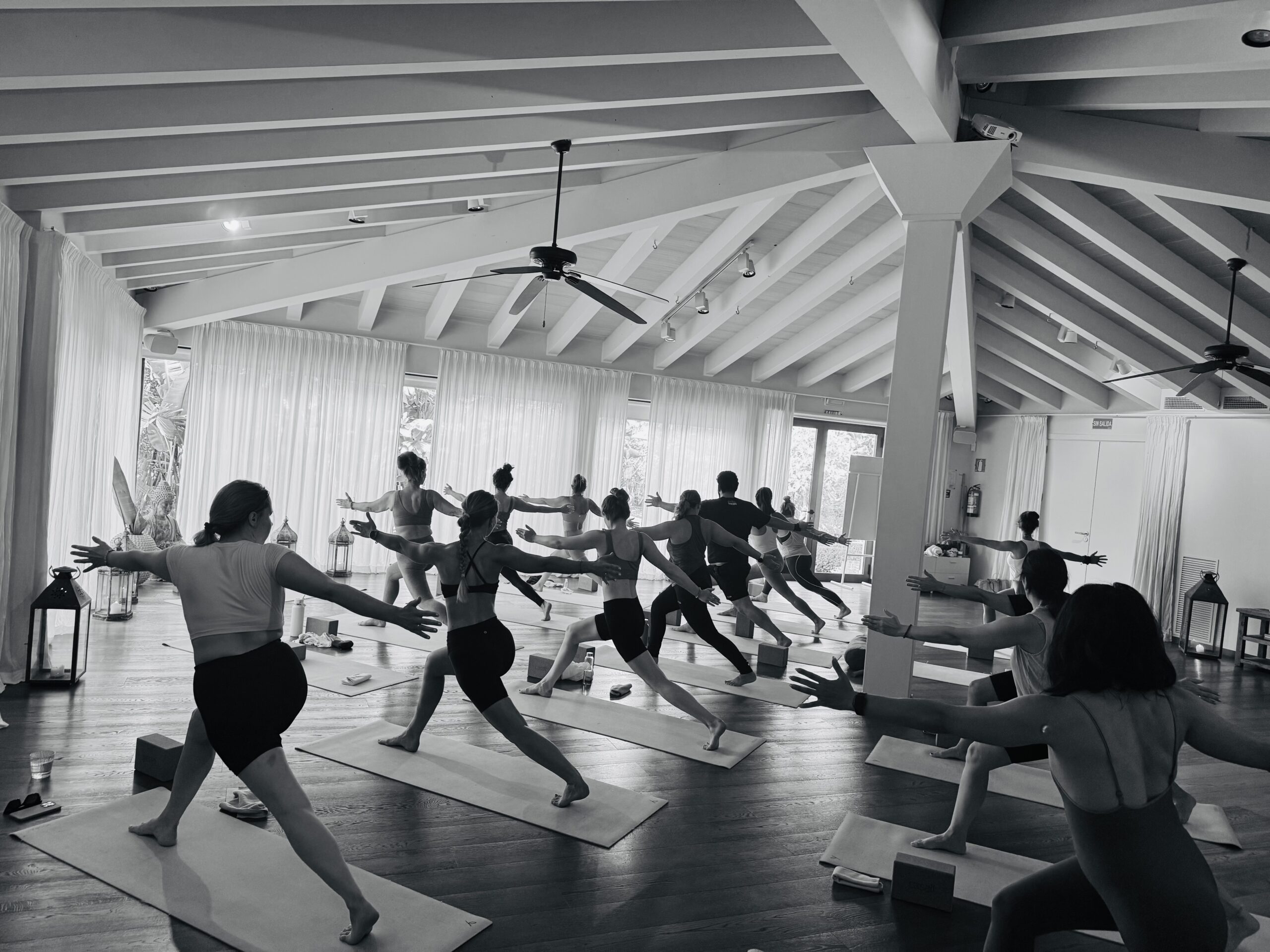
“Yoga helps you connect with yourself on a deeper level,” Janine explained. “It gives you space to feel what you’ve been avoiding. The poses are just a doorway into that deeper emotional release.”
The more I showed up on the mat, the more I started noticing subtle shifts. My shoulders loosened. I was sleeping better. And, without even trying, I found myself crying in savasana some days. It was like my body was finally getting permission to let go.
Check out: 200-Hour Yoga Teacher Training Program by Janine Forte
Why Divorce Trauma Gets Stuck in the Body
Janine and I talked a lot about why divorce can feel like it gets “stuck” in your body.
When you’re going through something traumatic — and yes, divorce is traumatic — your nervous system goes into overdrive. You’re in fight, flight, or freeze mode for weeks, months, sometimes years. And that’s not something you can just “think” your way out of.
“Your nervous system needs to feel safe before it can reset,” Janine said. “If you stay in survival mode, your body holds onto that tension. That’s why physical practices like yoga are so powerful. They send a signal to your brain that it’s okay to relax.”
That hit me hard because I realized I’d been living in a low-level state of emergency for so long that I didn’t even notice it anymore. My body thought it was still in the middle of the divorce, even though the papers had been signed ages ago.
Finding Peace in Co-Parenting Through Mindfulness
One of the biggest challenges after my divorce was co-parenting. I wanted to be calm and collaborative, but sometimes, old triggers would come roaring back.
Janine shared how mindfulness — which is really just paying attention without judgment — can be a game-changer in those moments.
“You can’t control how your co-parent shows up, but you can control how you respond,” she told me. “If you can take a breath, notice your reaction, and choose your next move, you keep yourself out of the spiral.”
She’s right. The days I remembered to pause, breathe, and respond instead of react were the days I felt most proud of myself. That’s mindfulness in action. And yoga, with its focus on breath and presence, trains you for it.
The Tools That Made a Difference in Healing My Body After Divorce
Looking back, there are a few tools Janine shared that made a huge difference in my healing journey:
- Gentle, Consistent Practice
You don’t need to twist yourself into a pretzel or spend 90 minutes sweating in a hot room. Janine often reminds her students that consistency beats intensity. Even ten minutes on the mat can start shifting things in your body and mind. - Breathwork for Emotional Release
Certain breathing techniques, like long exhales or alternate nostril breathing, can calm your nervous system almost instantly.
“Your breath is the remote control for your mind,” Janine likes to say. “If you change your breathing, you change your state.” - Yoga Nidra for Deep Rest
Yoga Nidra, or “yogic sleep,” became one of my secret weapons. It’s a guided meditation that brings you into a state of deep relaxation, which is perfect for nights when your mind won’t stop spinning. - Affirmations and Self-Compassion
This one surprised me. Janine encouraged me to talk to myself the way I’d talk to a friend going through a hard time.
“You wouldn’t tell a friend to ‘get over it already,’” she said. “Why would you say that to yourself?”
When Healing Gets Messy
Here’s the thing nobody tells you: healing from divorce isn’t linear. There were weeks I felt amazing: calm, centered, hopeful. And then suddenly, a single text or memory would send me spiraling. I’d think, haven’t I already dealt with this?
Janine calls these “emotional echoes.”
“Just because an old feeling shows up doesn’t mean you’re back at square one,” she told me. “It’s just another layer revealing itself, ready to be released.”
That perspective was a lifesaver. Instead of seeing those moments as setbacks, I started to view them as opportunities to let go of something that no longer served me.
Why Yoga Works When Other Things Don’t
I’ve tried a lot of healing modalities over the years: therapy, journaling, support groups. They’ve all been valuable. But there’s something about yoga that hits different.
It’s not about talking through your pain. It’s about moving it. Feeling it. Releasing it without having to explain it.
“The body knows what it needs to heal,” Janine said. “Yoga just gives it the space and tools to do that.”
And maybe that’s why it’s so effective for divorce recovery. Because when your heart is shattered, sometimes words just aren’t enough.
Moving Forward With More Peace
These days, my yoga mat feels like a safe space. It’s a place where I can drop the weight of the day and reconnect with myself. Co-parenting still has its challenges, and life is still busy, but I’m not carrying the same constant tension I once was.
I’ve learned that healing after divorce isn’t about erasing the past. It’s about building a new relationship with yourself that’s kinder, stronger, and more present.
If you’re in the middle of your own post-divorce storm, I hope Janine’s wisdom gives you the same hope it gave me. You don’t have to wait until you “have time” or “feel ready” to start healing. You can begin right where you are, even if it’s just one breath at a time.
Ready to Try It for Yourself?
If you’re curious about exploring yoga as part of your divorce recovery, Janine offers classes and resources through One Yoga International™. Whether you’re brand new to yoga or have been practicing for years, her approach is warm, accessible, and deeply attuned to the emotional realities of life after divorce.
“It’s not about touching your toes,” she reminded me with a smile. “It’s about learning to listen to yourself again.”
And honestly? That’s the best gift you can give yourself as you move forward.